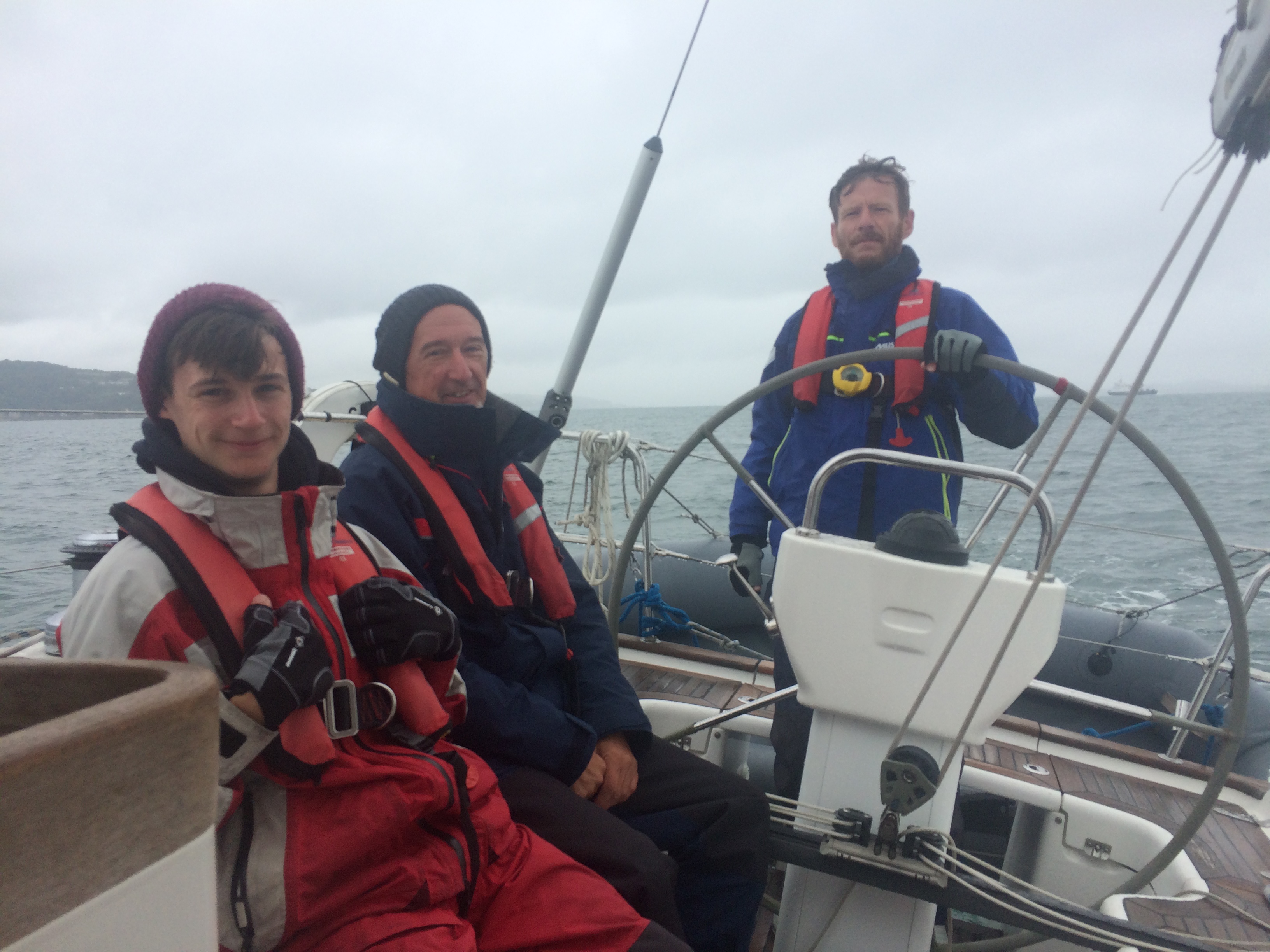
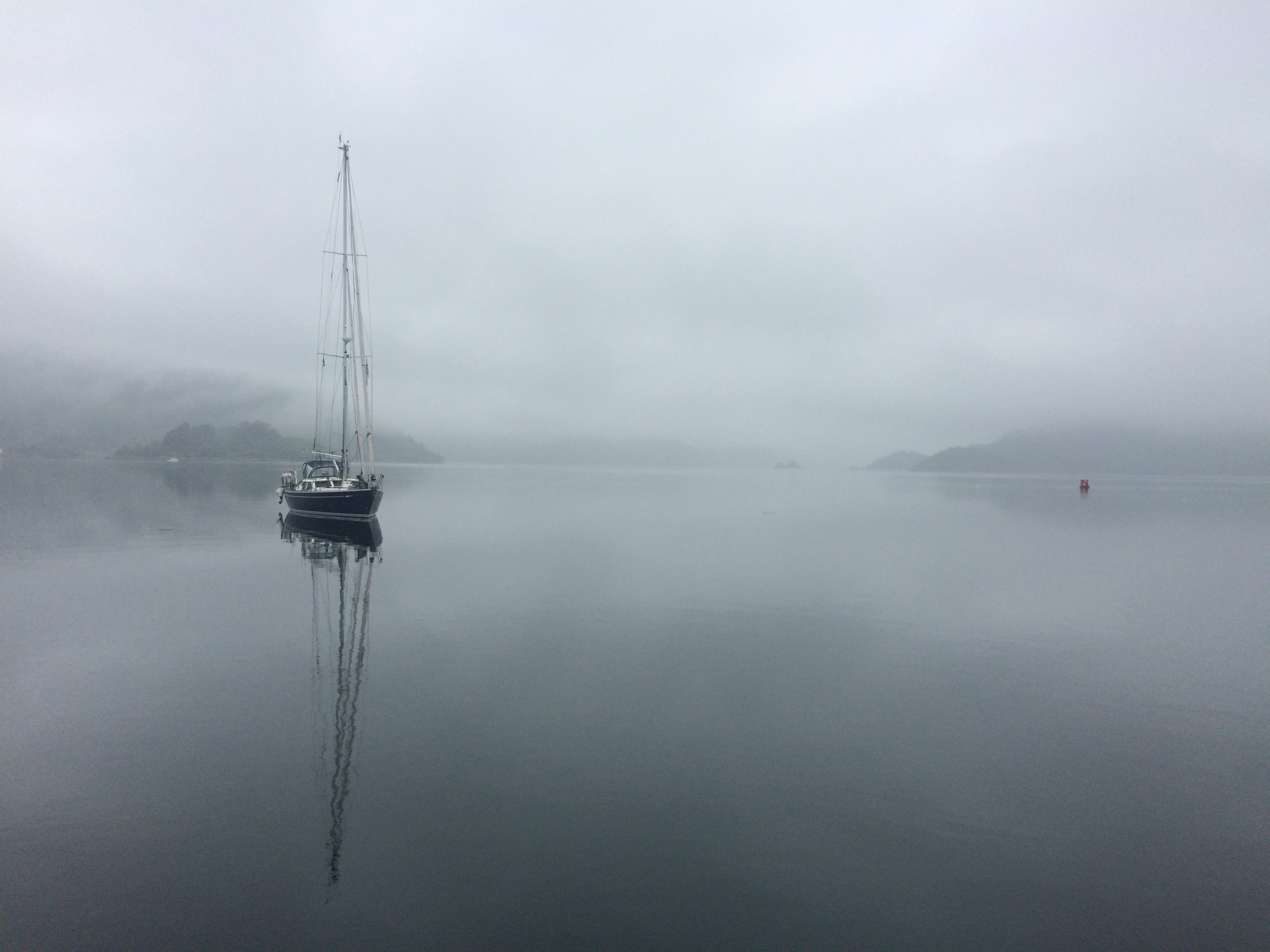
Sail cruising instruction on the Firth of Clyde and the West Coast of Scotland
Enquiries:
e-mail: info@westcoastsailing.co.uk Phone: +44 (0) 1661 854743 Mobile: 07799 694229
 |
AS OF THE END OF THE 2018 SEASON WEST COAST SAILING WILL NO LONGER BE OFFERING RYA PRACTICAL COURSES.
THIS IS DUE TO THE RETIREMENT OF ITS PRINCIPAL AND CHIEF INSTRUCTOR, WHO, AFTER MANY ENJOYABLE AND SUCCESSFUL YEARS, WOULD LIKE TO THANK HIS HUNDREDS OF PAST STUDENTS FOR THEIR THOROUGHLY PLEASURABLE COMPANY.
WISHING YOU ALL GOOD SAILING.
|
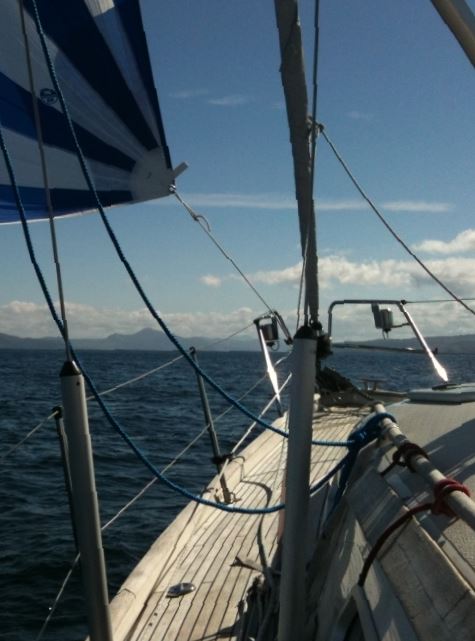 |
RYA Practical Courses for Yacht Cruising.
The Royal Yachting Association (RYA) Sail Cruising Programme is a voluntary scheme for those wanting to start cruising, or to expand their cruising knowledge. Enjoy the courses simply to increase your knowledge and confidence, or use them to prepare for the practical exam for either the RYA Yachtmaster Coastal Certificate of Competence or the even more prestigious RYA Yachtmaster Offshore Certificate of Competence. These RYA/MCA Certificates are recognised by maritime authorities worldwide. Further details from
http://www.ryatraining.org/leisure/sailcruising/Pages/sailcruisingintro.aspx
|
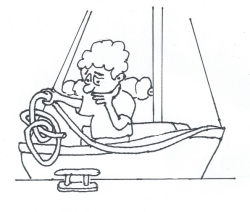 |
Start Yachting. 2-day course. Short introduction to sail cruising for novices. Provides experience in steering a yacht, sail handling, rope work and awareness of safety on board. No previous experience or knowledge is necessary. |
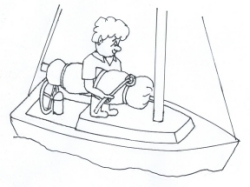
Competent Crew. 5-day course. For beginners and those who would like to become active crew members rather than just passengers. Shows you how to steer, handle sails and mooring lines, keep a lookout, row a dinghy and assist in all routines on board. No previous experience or knowledge is necessary. |
 |
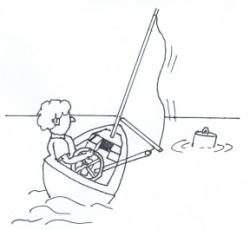 |
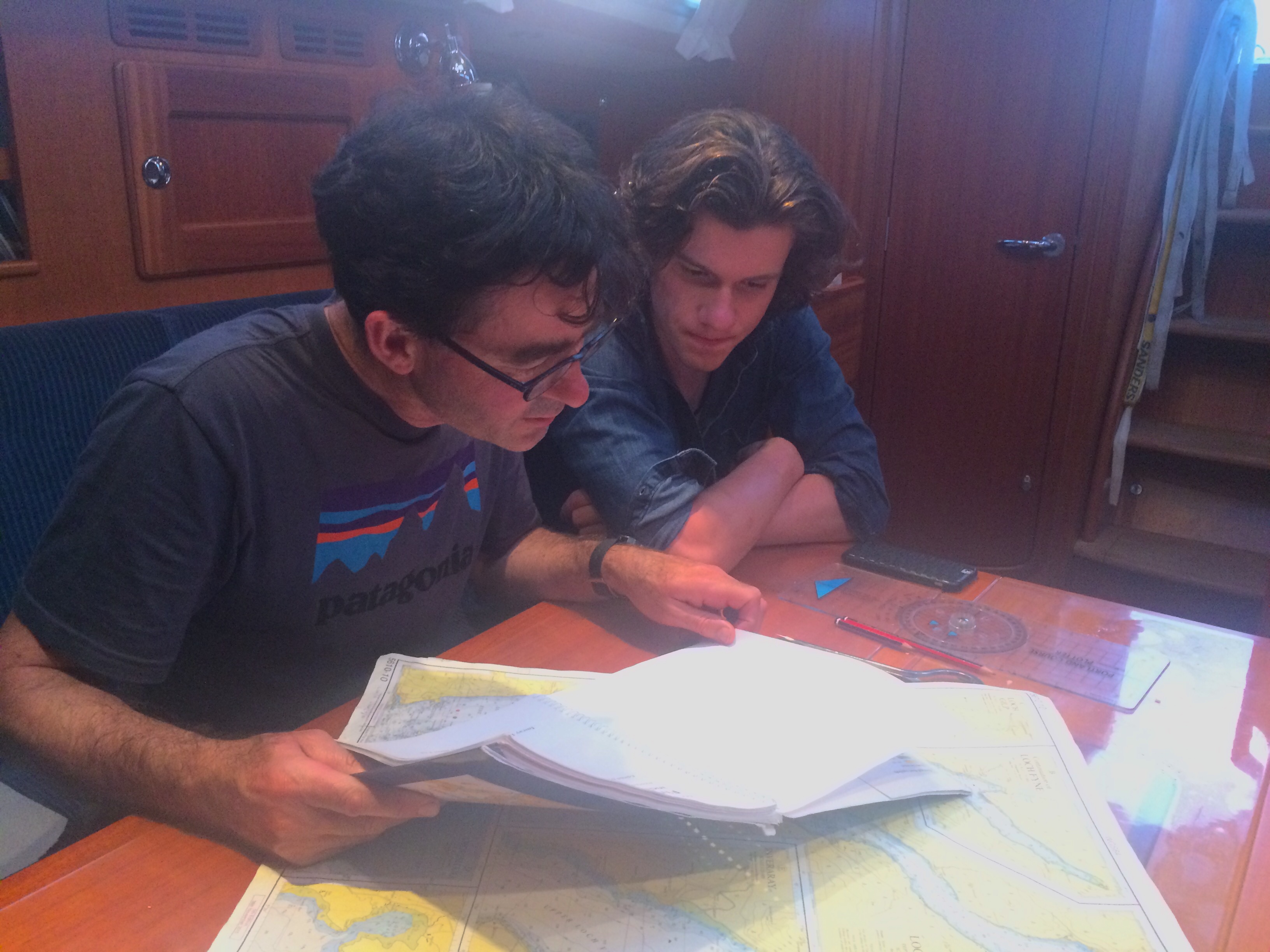
Day Skipper. 5-day course. On successful completion of this course you should be able to skipper a small yacht in familiar waters by day. It is recommended that you attend the RYA Day Skipper shorebased course before taking this course and that you have a minimum pre-course sail cruising experience of 5 days, 100 sea miles and 4 night hours. The course concentrates on pilotage, boat handling, seamanship and navigation and give you the opportunity to take charge on short passages under instruction. |
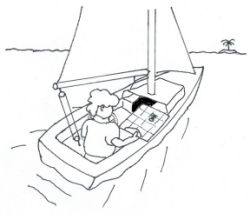
Coastal Skipper. 5-day advanced skippering course for those who have good knowledge and experience of sailing and navigation and want to skipper coastal passages by day and night. It assumes boat handling skills to the standard of the RYA Day Skipper practical course and navigation to the standard of the RYA Coastal Skipper/Yachtmaster shorebased course. It offers more challenging passages and passage planning, pilotage by day and night, boat handling, safety and emergency situations. Minimum recommended pre-course sail cruising experience is 15 days (2 as skipper), 300 sea miles and 8 night hours.
|
 |
What to expect.
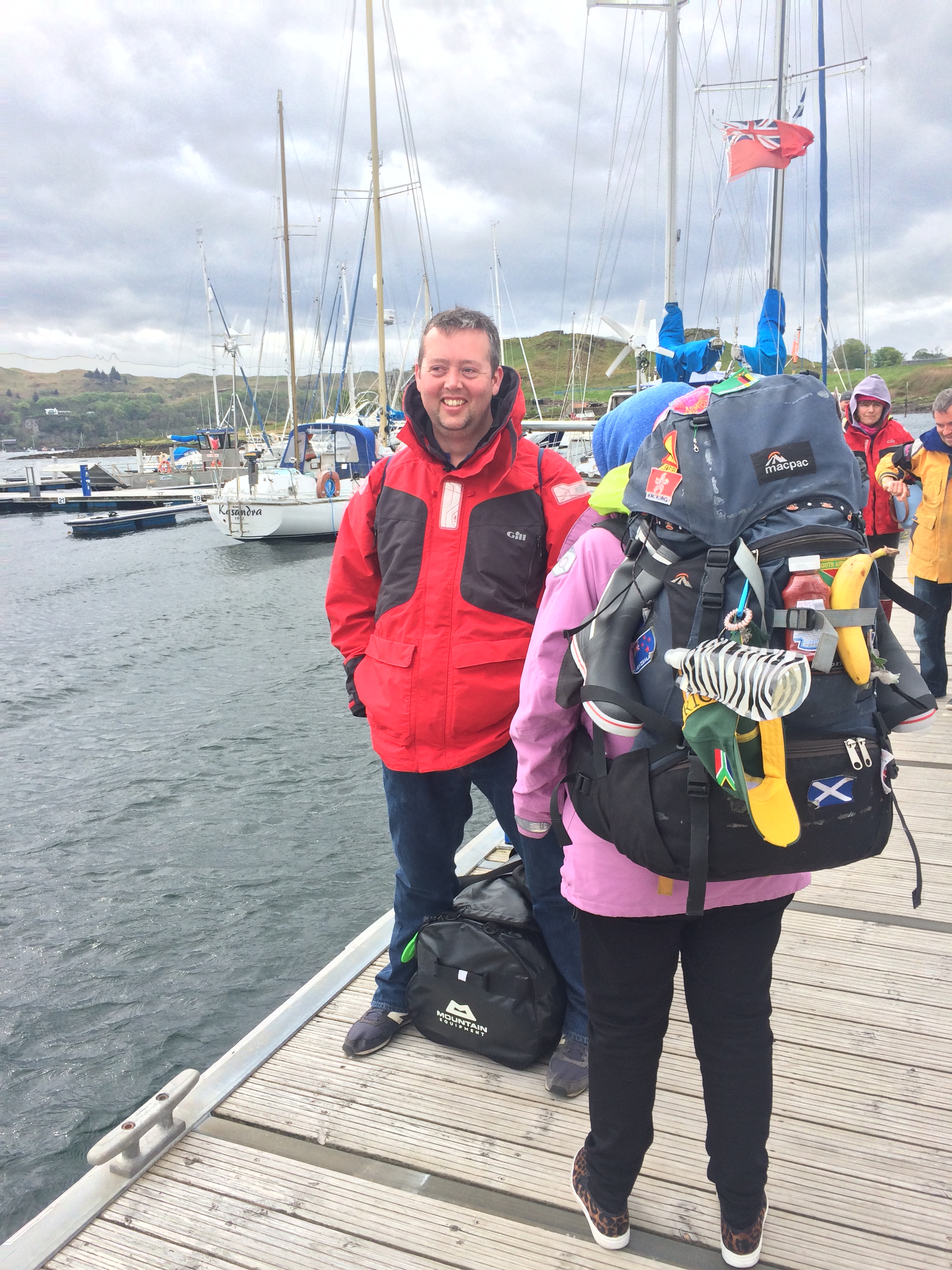
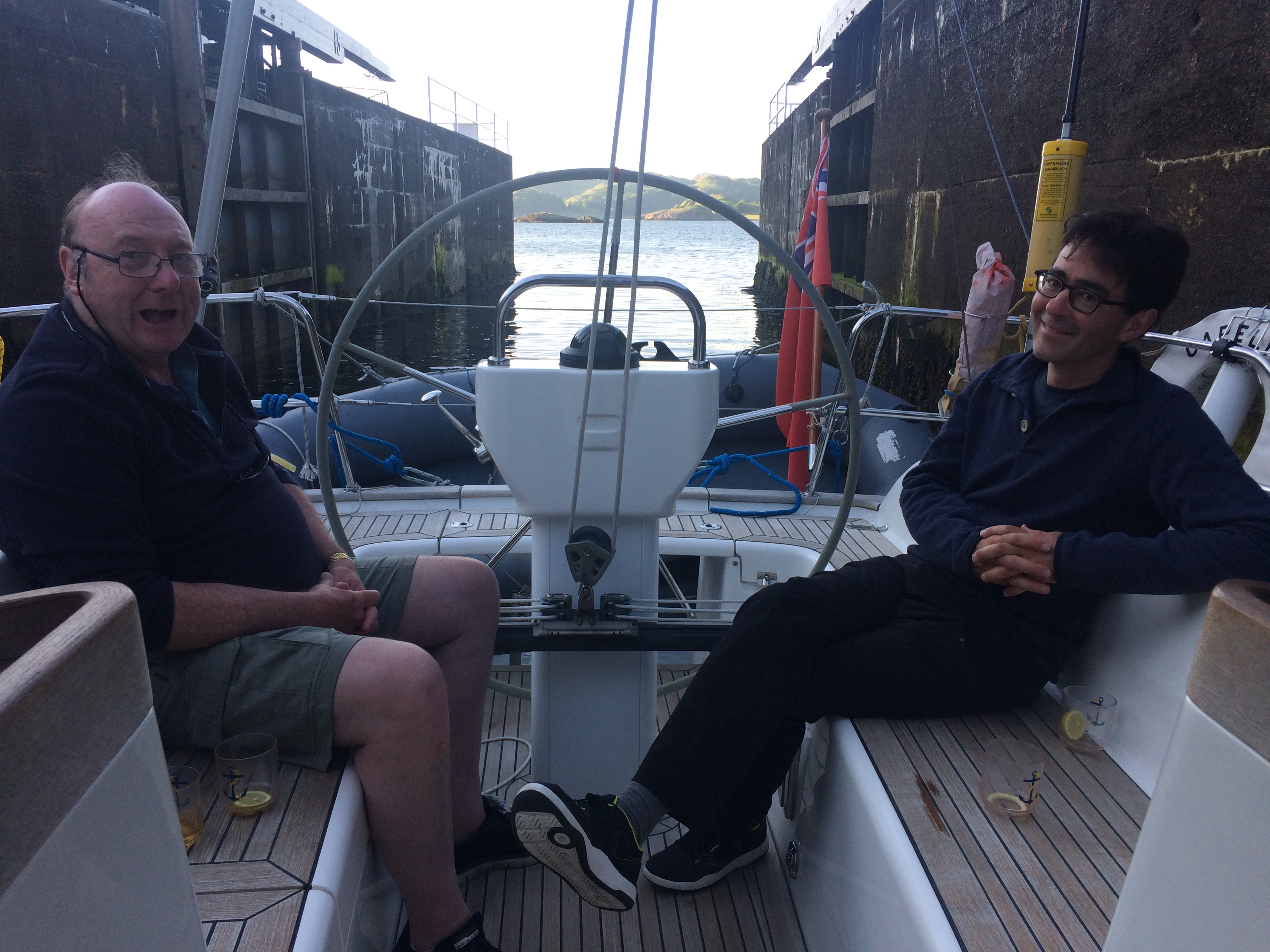
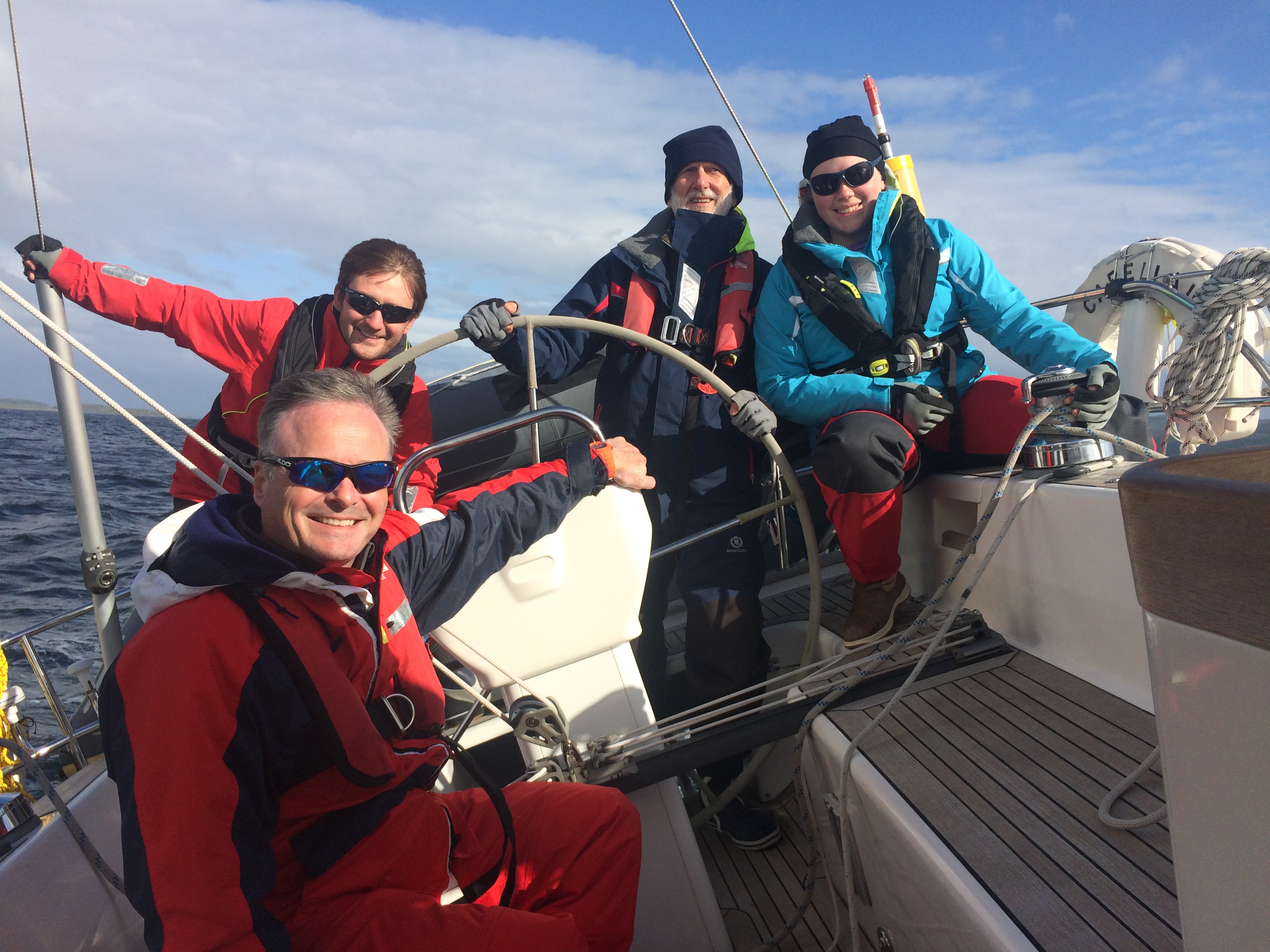
Detailed instructions for finding the yacht will be given when you book. On 5 day courses, meet up with your instructor at the yacht at 6 pm in the evening of the first day, then settle in and get to know your crewmates. Although most other sailing schools will accept up to 5 students on a course, West Coast Sailing limits the number to 4 in order to give more instruction time to each student. Don't worry about getting along with the others if you are on your own. In fact, crews where nobody knows anybody else at the start often gel together best, forming lasting friendships. There will be a full safety briefing before the yacht sails the next morning.
Keeping the crew well fed is an important part of cruising. Meals, other than breakfasts, are organised according to a rota which you will know in advance. When it is your turn, you prepare a meal of your own choosing and wash up afterwards. Either contact us in advance so we can make sure the right ingredients are on board or bring your own (with receipts for reimbursement). Provisions can usually be topped up at ports of call during the week. There is a small fridge and the usual type of yacht gas cooker with two top burners and an oven. Breakfasts are do it yourself affairs with cereals, fruit, milk, etc. provided and usually a fried breakfast as an option on one day.
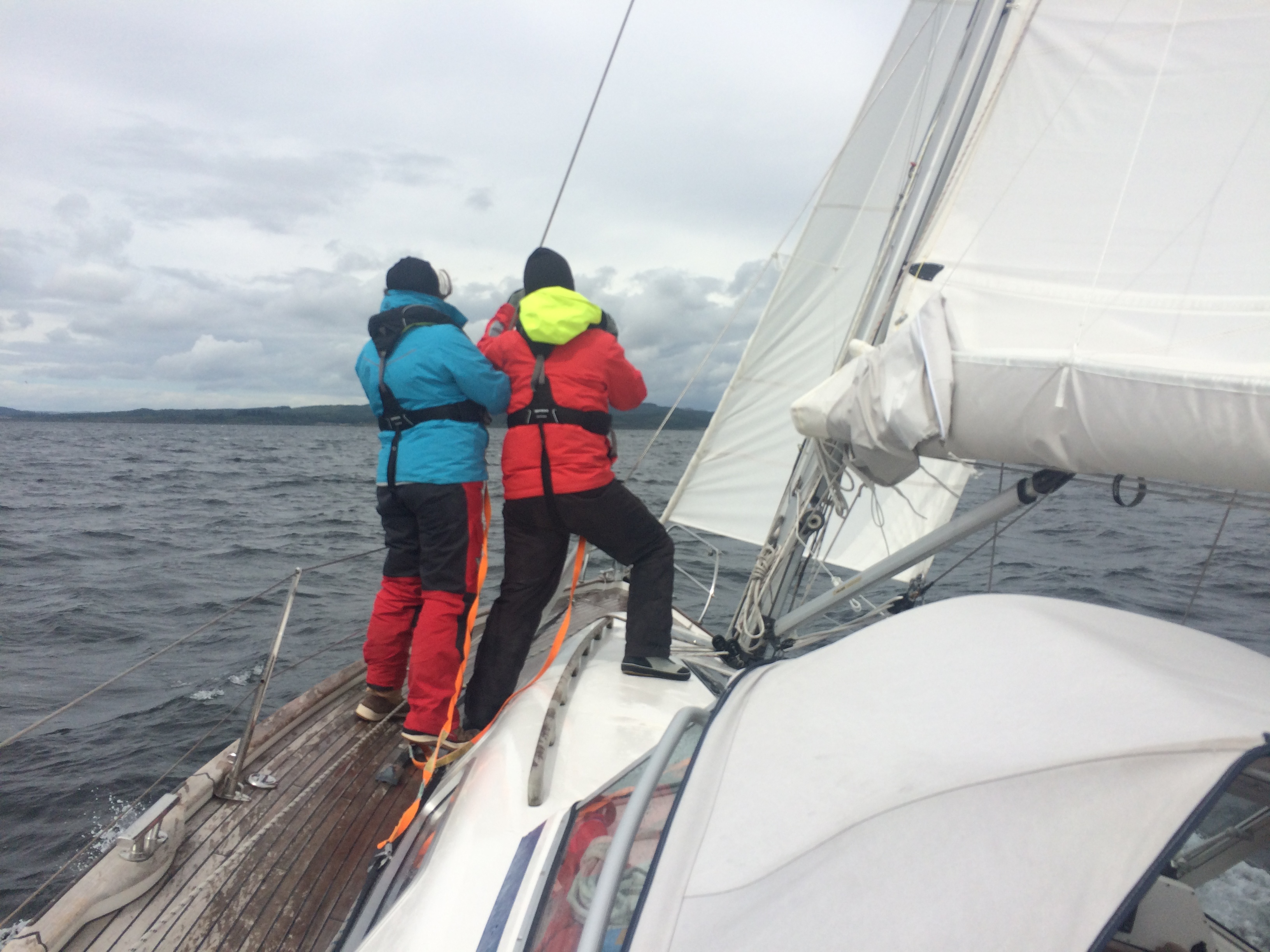
Normally, each night will be spent in a different harbour or anchorage. There is a hot shower on board but most students prefer to to make use of the shower facilities available in harbours and marinas. There will be a mix of boat handling and short navigation exercises as well as longer passages. Skipper trainees will take turns in planning and skippering passages. Man overboard recovery techniques will also be practised with a dummy, such as a fender tied to a bucket, substituting for the real thing. The instructor will debrief students after each exercise or passage. Each 5-day cruise will normally cover at least 100 miles and include 4 hours night sailing. The course will finish about 5 pm on the final day, after boat cleaning and individual debriefings.
|
 |
 |
 |
 |
 |
 |
| More photos... |
What to bring.
Bring a warm sleeping bag, pillow and clothes
suitable for the vagaries of Scottish weather, including a hat (and spare). Waterproofs (oilees) and sea boots are essential. On Largs-based courses, waterproofs and boots can be hired locally if you do not have your own. Shoes should have a good grip on sloping decks - deck shoes or most trainers are fine. You may wish to bring slippers for foot comfort in the evening. Don't forget toiletries, a towel, sun cream (we can always hope) and any personal medications, but try to keep it all down to one soft bag.
Bring your RYA G15 logbook if you have one. If not, you can buy one from the RYA, many chandlers or onboard from the instructor.
Lifejacket /harnesses and all safety gear are supplied. |
 |
The Yacht.
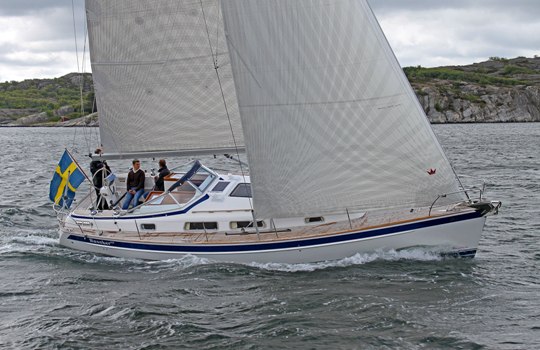
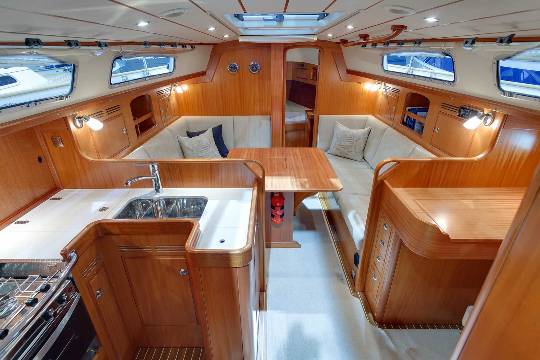
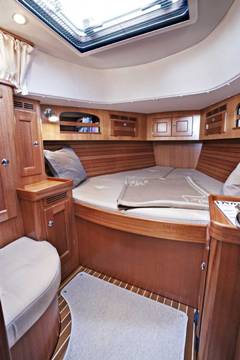
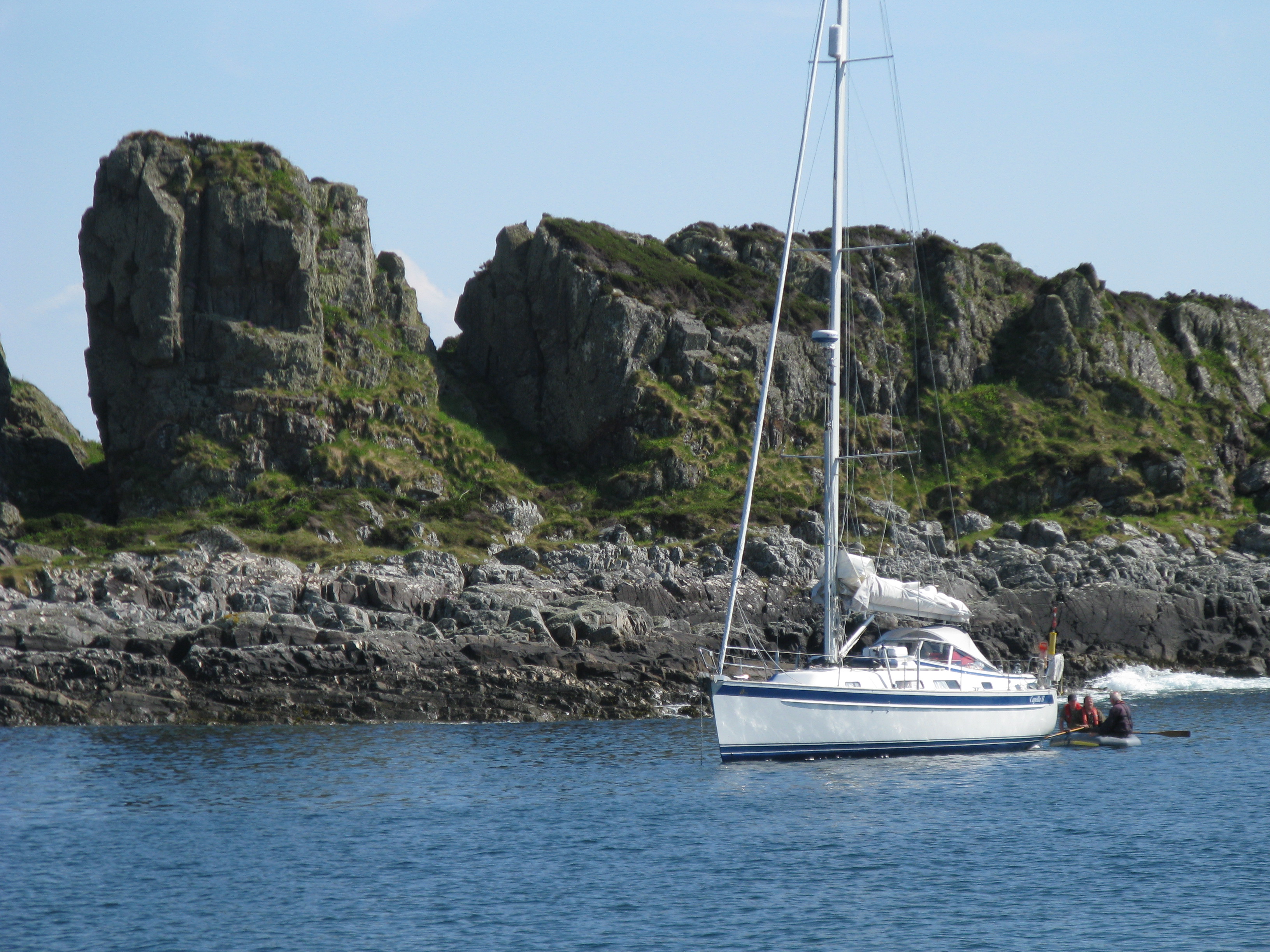
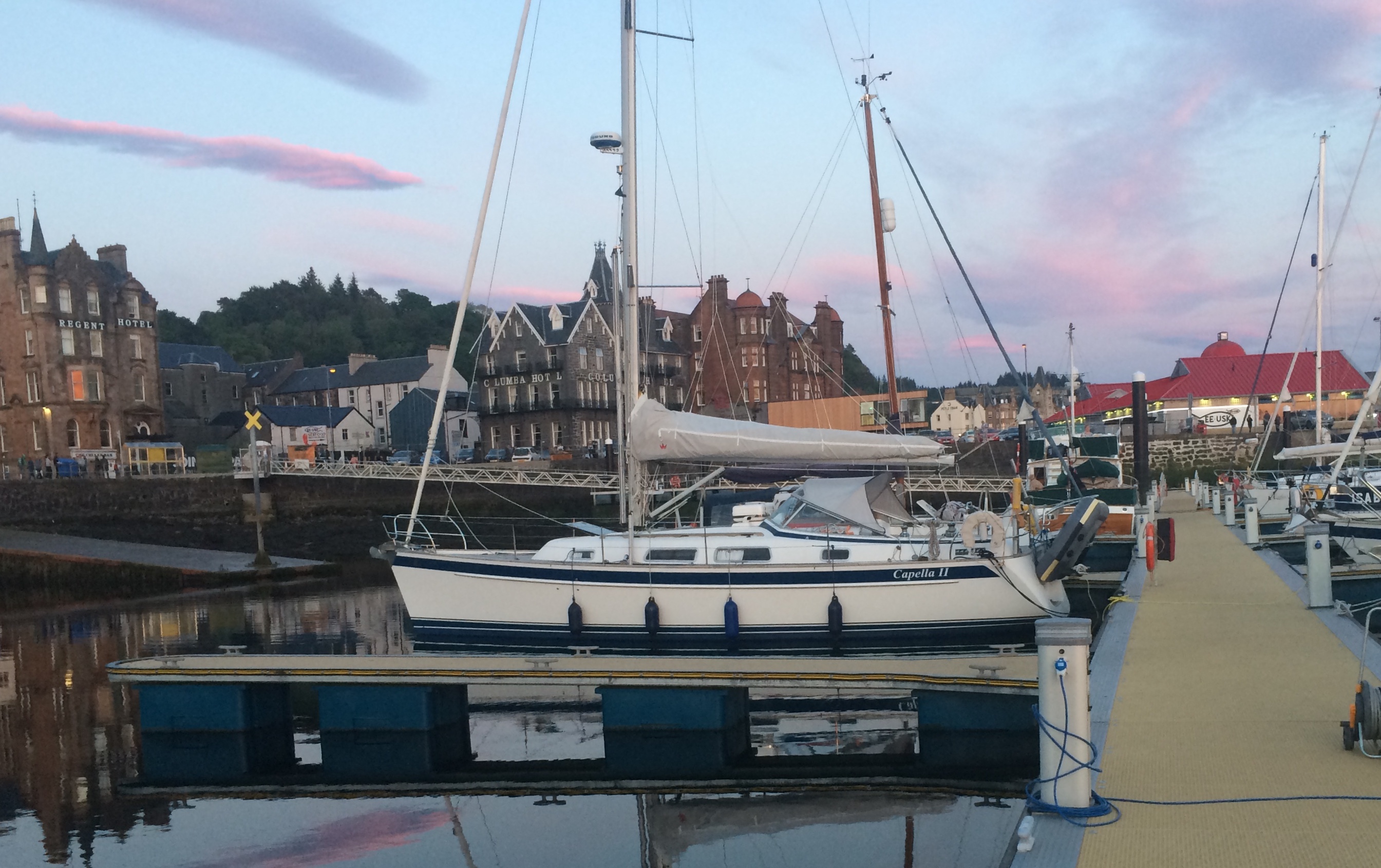
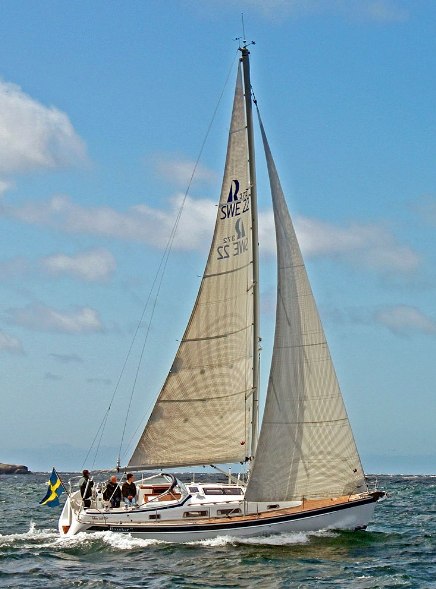
Hallberg -Rassy 372. (Pictures of a Swedish sister ship)
37 feet is a reasonable compromise for sail training ~ avoiding the close quarter manoeuvring difficulties that come with bigger boats, but still with good accommodation ~ double fore and after cabins and two roomy settee berths. There is more than ample room for the maximum of 4 students.
Built in 2009, the yacht complies fully with the MCA (Maritime Coastguard Authority) Code of Practice for the Safety of Small Commercial Sailing Vessels. This involves stability criteria, as well as regular inspections of safety and emergency equipment. Modern RADAR/GPS chartplotting equipment is installed.
Yachting World commented:
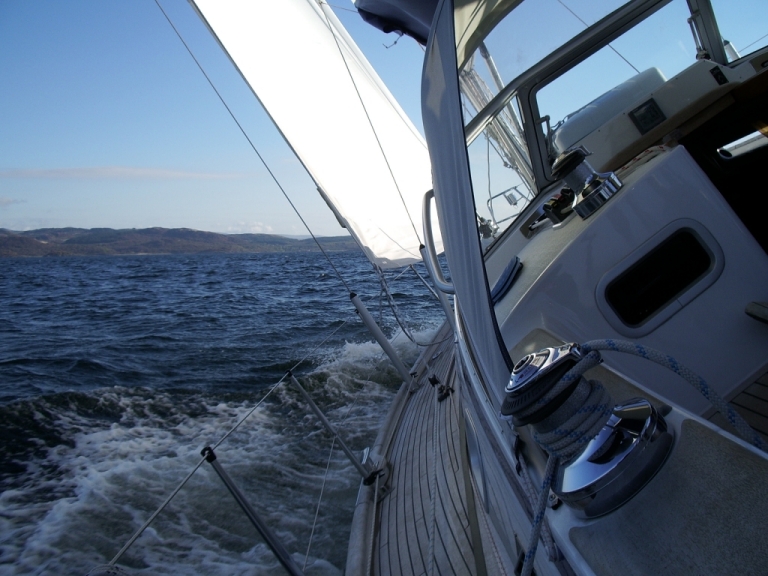
"Pleasurable and easy to sail, this performance-tweaked coastal cruiser still retains that superior level of build and fit out and boasts a well-proportioned interior. Nimble, quick and easy to tack, she provides excellent cockpit comfort for both crew and helm, and is simple for a couple to manage. A quality boat that provides fast yet comfortable push-button sailing."
Seilas, the Norwgian sailing magazine:
"Hallberg-Rassy 372 is a cruiser who matches the performance cruisers in speed and sailing performance. This has all the Hallberg-Rassy's well known qualities, but in a more modern package. It's seaworthy, fast and comfortable."
Yachtrevue, Austria:
"Fantastic sailing performance in rough seas; there is no vibration, no bumping, you feel only the powerful surfing through the waves - this is luxury sailing, with good feeling on the helm. She is a bluewater-yacht, but sails nearly as well as a performance cruiser; build quality as expected."
Further information about the HR 372 can be found at
http://www.hallberg-rassy.se
|
The instructor.
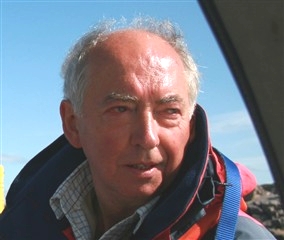 |
Tony Whittingham is Principal and Chief Instructor at West Coast Sailing. He is a Yachtmaster Instructor and Ocean Yachtmaster and has been teaching sailing and navigation skills for over twenty five years. His sailing-related activities on shore include teaching about astro-navigation, the tides and meteorology.
Some comments from students:
'Absolutely fantastic instructor and a real asset. He was calm throughout with good explanations. A great trip all-round.' (D.A.)
‘Took into account how nervous I was and was very encouraging and patient. Felt I had learned a lot.' (A.P.)
'A particularly good instructor, fitting in all the necessary course items during a very windy
week. He coped well in giving all the different levels of crew their relevant experience.' (P.H.)
‘We both thoroughly enjoyed our trip. We learned a lot without really realising it. You came across as a very patient and relaxed instructor which helped to relax the rest of us! I would be more than happy to recommend your course to friends’. (R.W.)
'Perfect Course. Thanks.' (L.B.)
|
Further testimonials from students
Dates and costs 2018
5-day courses are suitable for taking RYA Competent Crew, Day Skipper or Coastal Skipper practical courses, as well as preparation courses for Yachtmaster Offshore and Yachtmaster Coastal examinations.
The course fee is £465, including full board, fuel, gas and all berthing and mooring charges.
Personal items such as oilees, boots and sleeping bags are not included. For Largs-based courses, oilees and boots may be hired locally for a combined cost of approximately £6 per day.
Courses normally run from 6pm on the first day to about 4pm on the final day.
|
| Sun 6th - Fri 11th May 2018 |
Largs to Oban |
| Sun 27th May - Fri 1st June 2018 |
Oban to Largs |
| Sun 17th - Fri 22nd June 2018 |
Largs ~ Firth of Clyde |
| Sun 15th - Fri 20th July 2018 |
Largs ~ Firth of Clyde |
| Sun 19th - Fri 24th August 2018 |
Largs ~ Firth of Clyde |
| Sun 16th - Fri 21st September 2018 |
Largs ~ Firth of Clyde |
| Sun 14th - Fri 19th October 2018 |
Largs ~ Firth of Clyde |
2-day Start Yachting course. No previous experience required. The course fee is £240, including full board, fuel, gas and all berthing and mooring charges. Courses normally run from 6pm on the first day to about 4pm on the final day. The maximum number of students on Start Yachting courses is limited to three as an experienced mate is always carried as back-up to the skipper.
|
Please phone, text or e-mail to discuss possible dates.
|
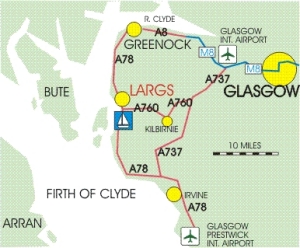
How to get to Largs Yacht Haven.
By Car: The marina is half a mile south of Largs on the A78.
Easily reached via the M8 from Glasgow and then the A78 via Greenock or the A737 and A760 via Kilbirnie.
Free parking is accessed by pressing the intercom button at the
barrier for attention and explaining you have come to sail with
West Coast Sailing.
By Rail: A train journey of under 1 hour from Glasgow with trains
leaving Glasgow Central Station every hour. Visit
ScotRail
for more information.
By Air: Approximately 45 minutes from either Glasgow
International Airport or Prestwick Airport.
Visit
BAA
for more information for Glasgow
or
Glasgow Prestwick Airport
for Prestwick.
|
 |
How to get to Oban Marina.
The marina is situated on the island of Kerrera in Oban Bay. It is easily reached by a short complimentary ferry service (foot passengers only) which departs frequently from the North Pier in Oban. For timetable information visit Oban Marina or phone Oban Marina on +44(0)1631 565 333.
By Car: Oban is a 2½ - 3 hour drive from Glasgow, normally via Crianlarich. For directions and advice on car parking in Oban visit the directions page of Oban Marina web site .
By Rail: ScotRail run twice daily trains from Glasgow Queen Street Station to Oban.
For times and prices visit ScotRail or National Rail Enquiries.
By Air: Rail services or car hire (contact Oban Marina for advice) from Glasgow and Edinburgh airports.
|
Firth of Clyde Gallery
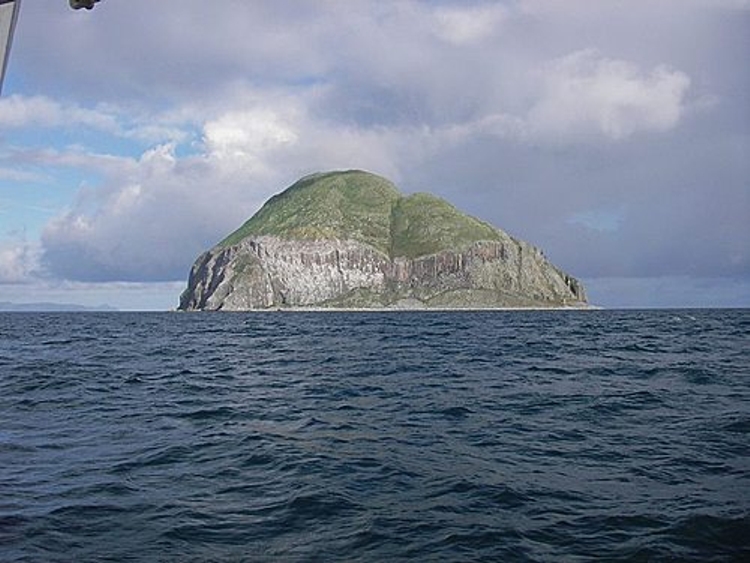
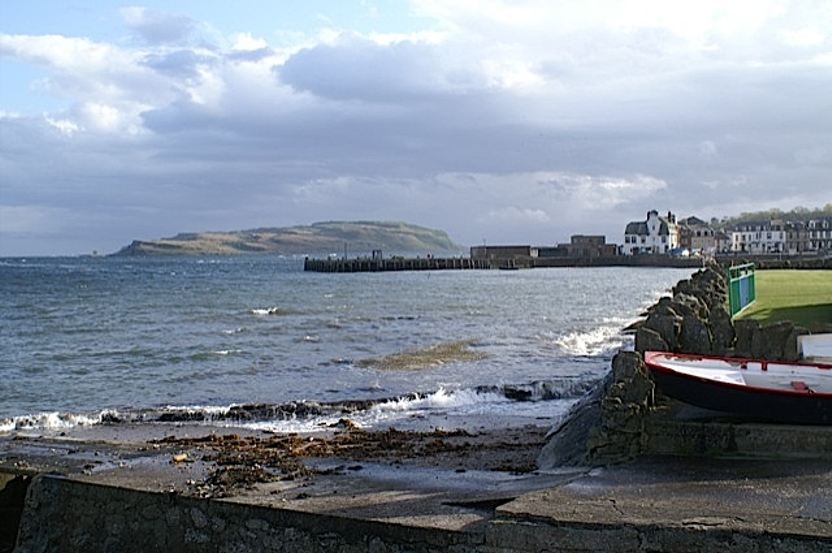
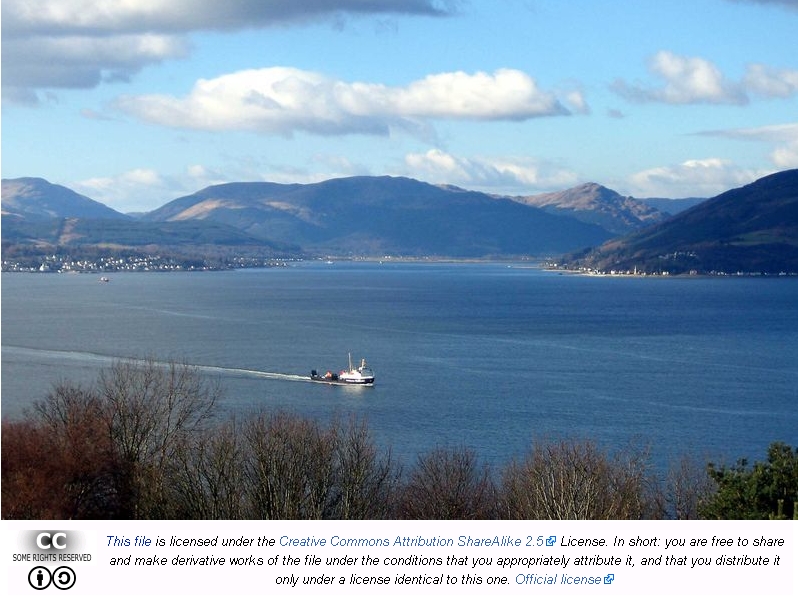
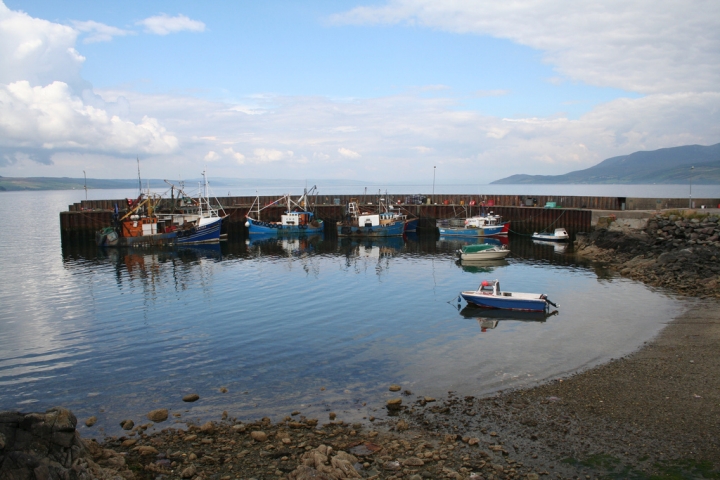
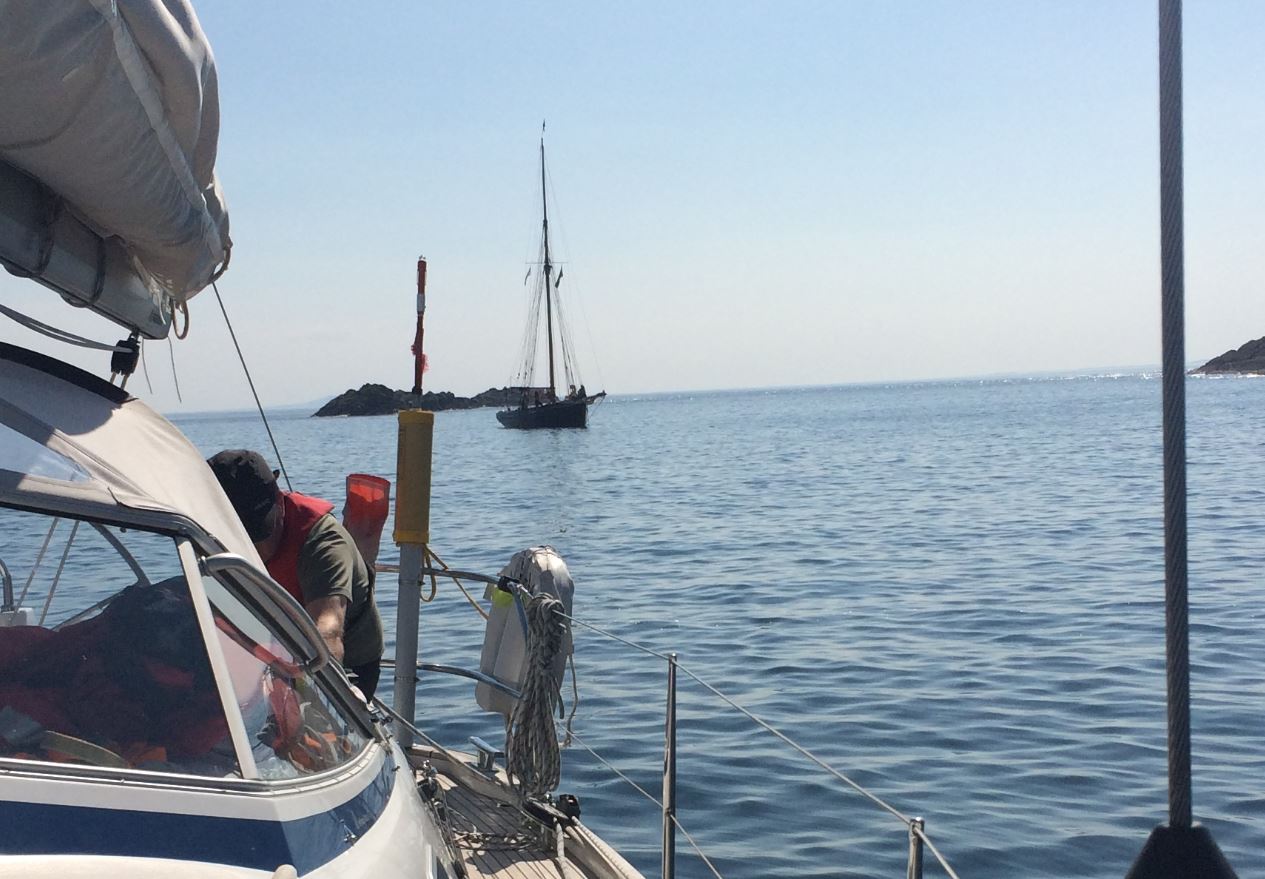
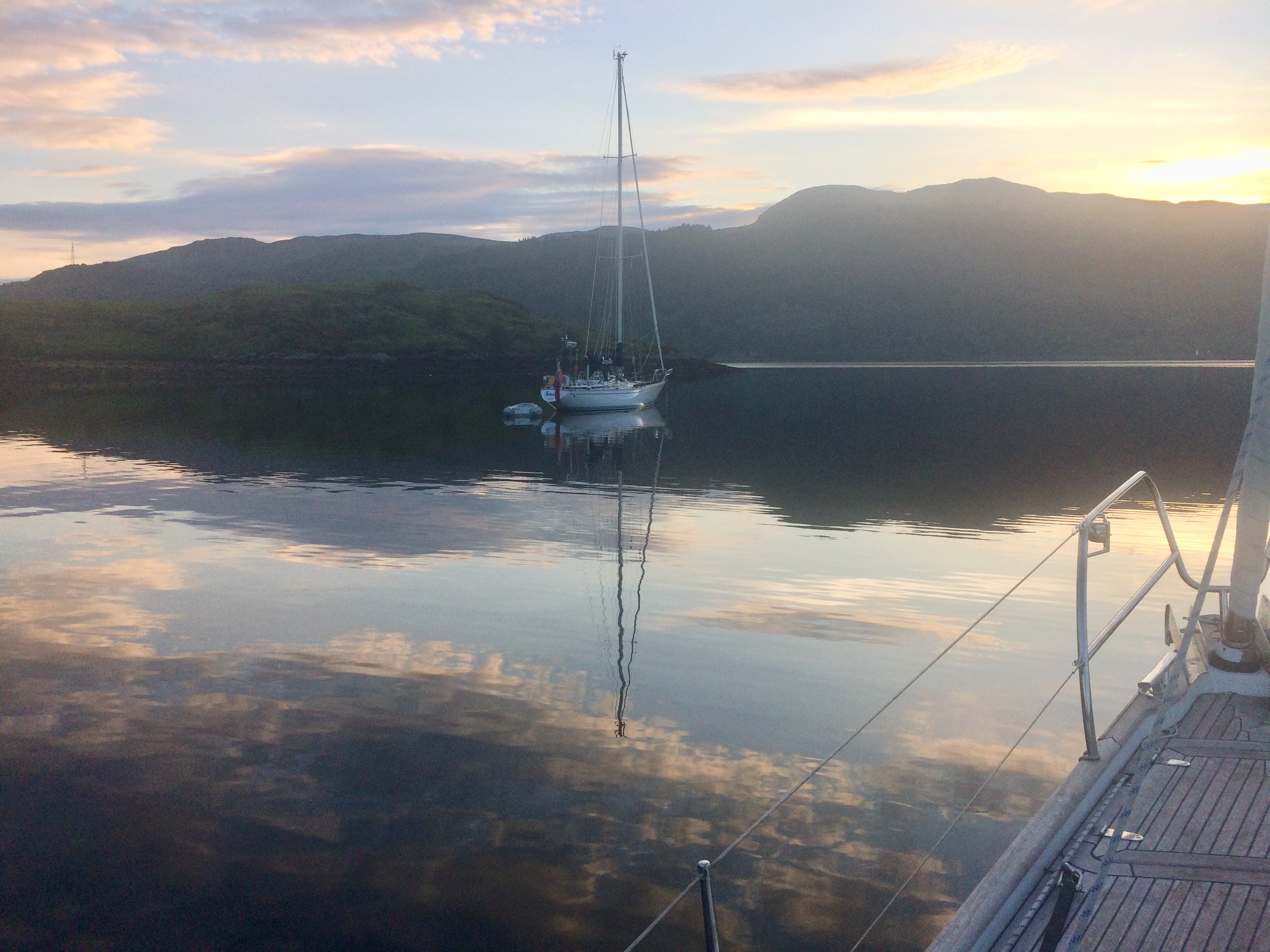
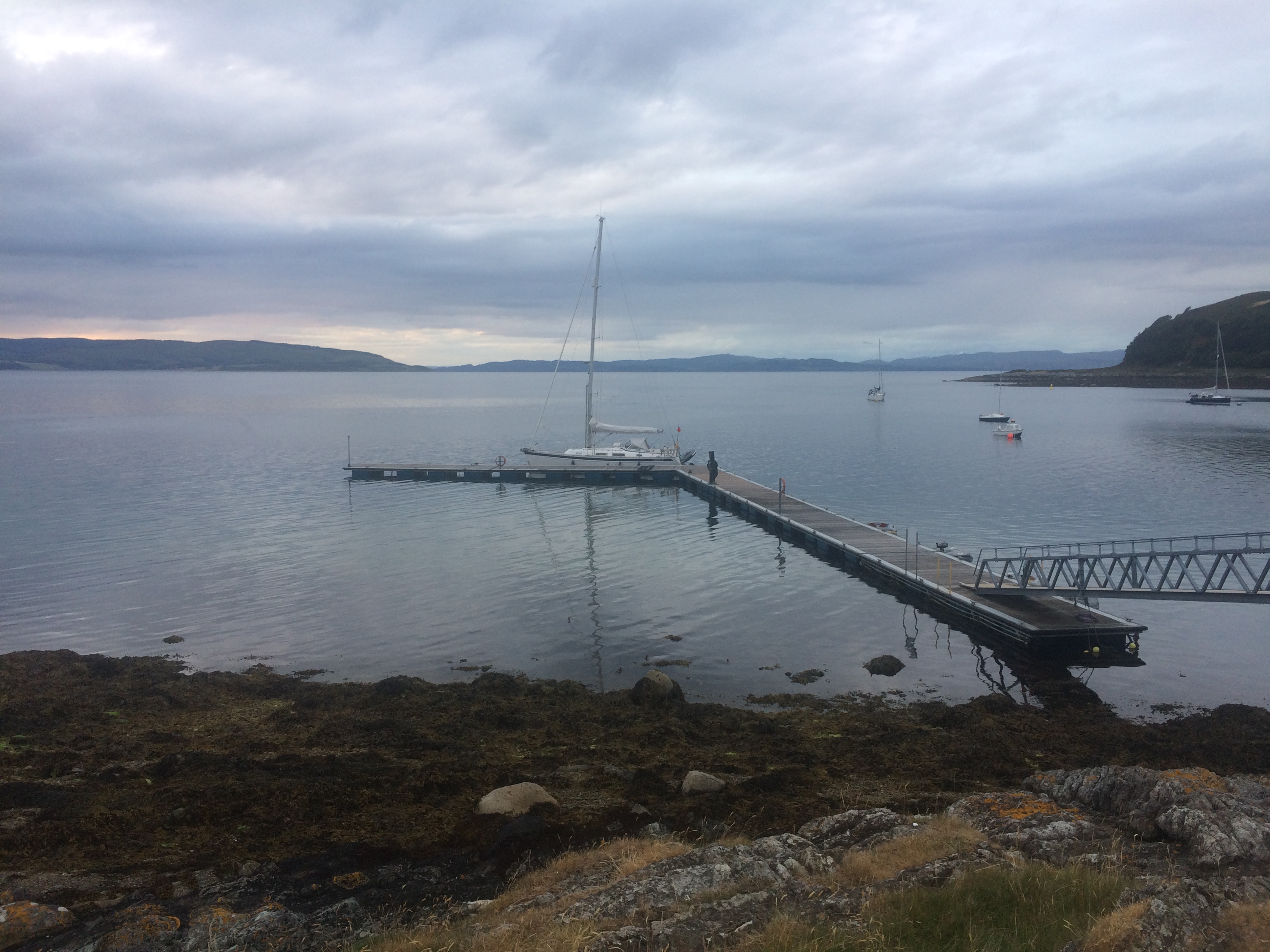
The Firth of Clyde is an extremely attractive and relatively well sheltered area for sailing. Its islands, protected anchorages, harbours and marinas help to make it ideal as a training area.
Close views of porpoises, seals, and diving gannets are common, but eagles and basking sharks are also sometimes seen.
|
Move mouse over images to see captions ~ left click on image to enlarge (use 'Back' to return)
West Coast Gallery
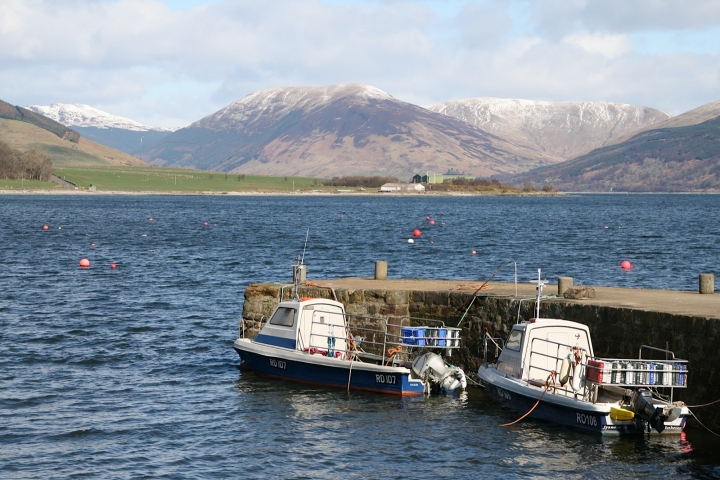
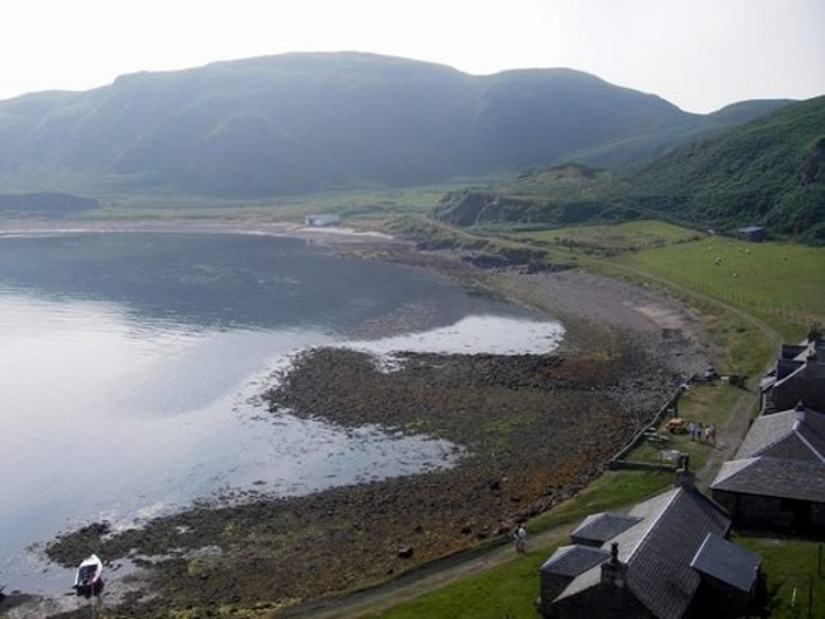
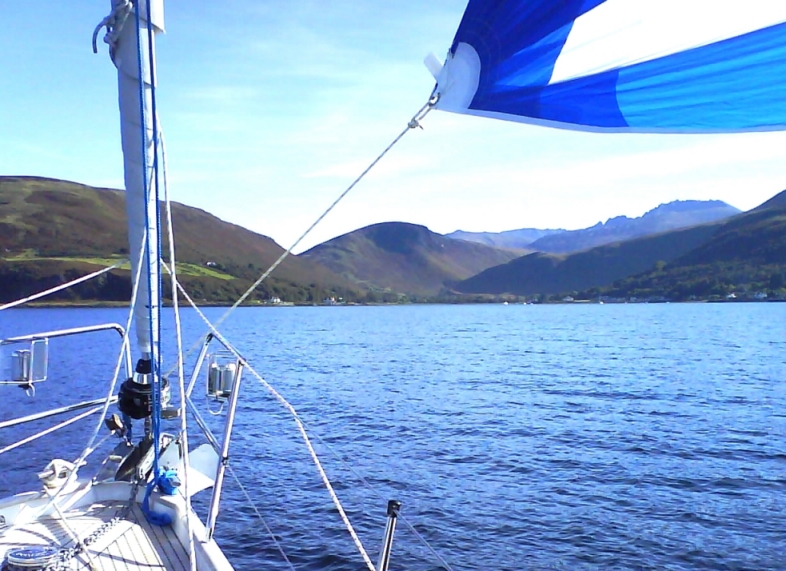
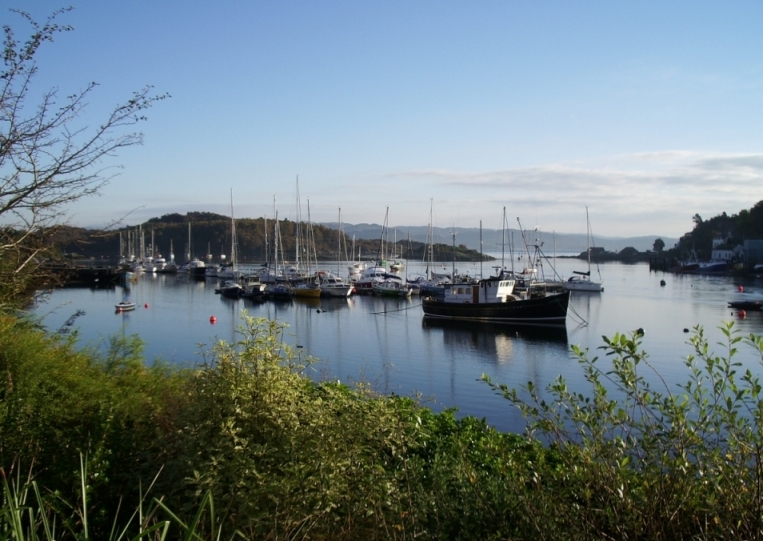
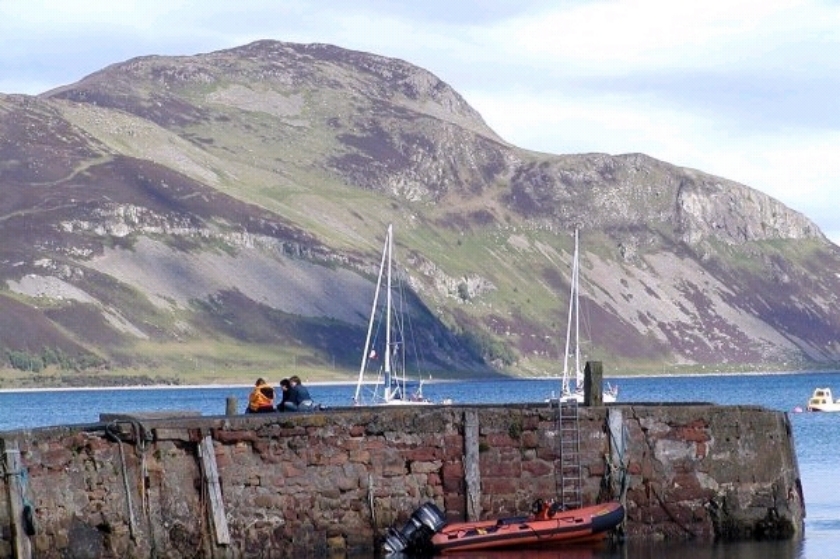
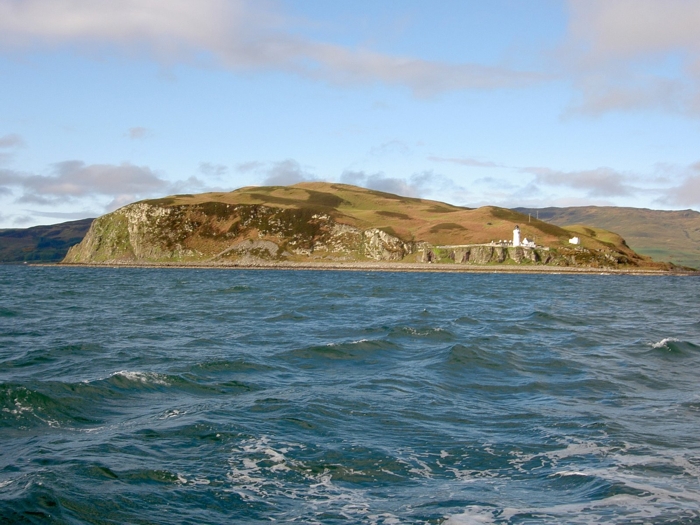
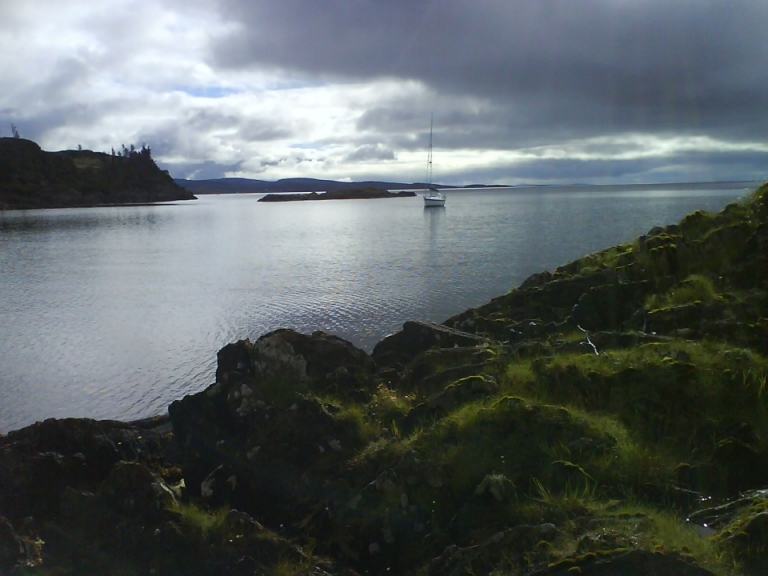
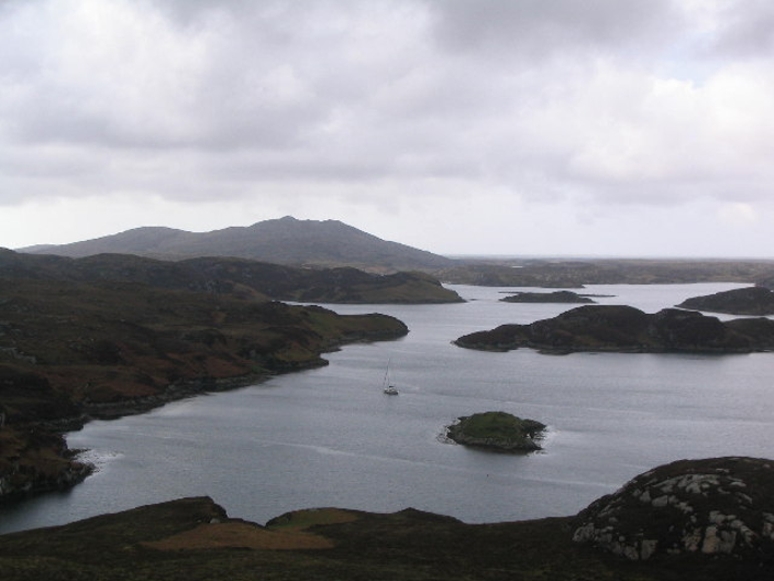
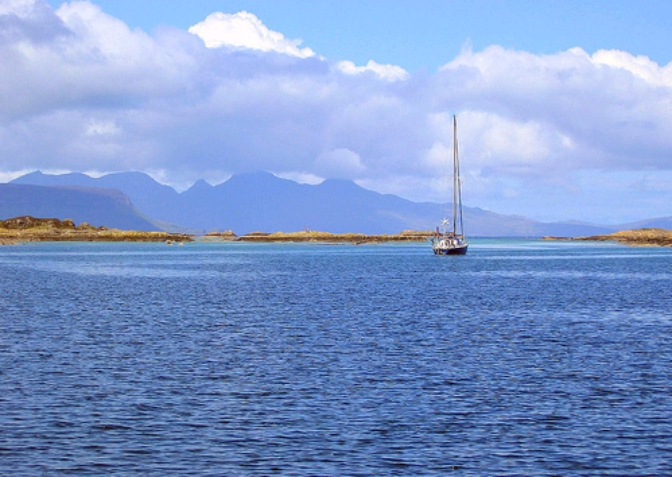
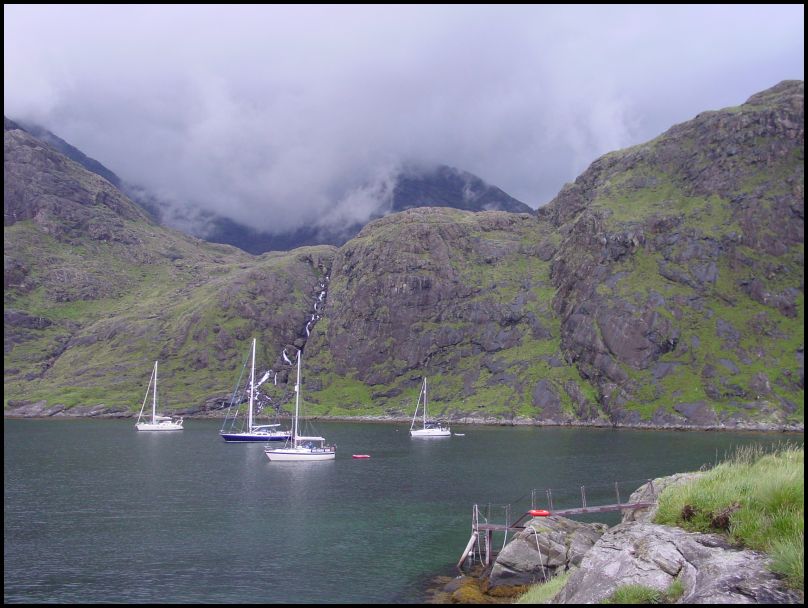
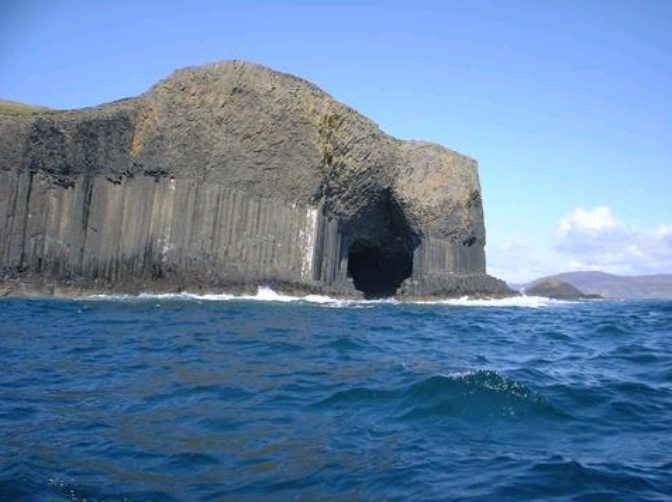
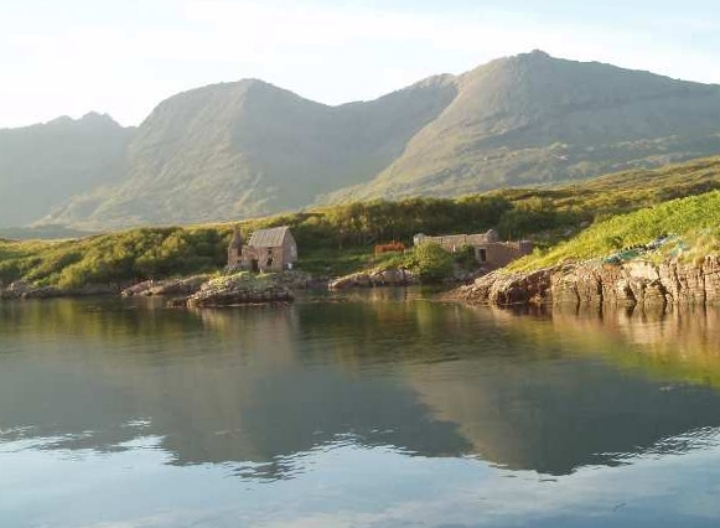
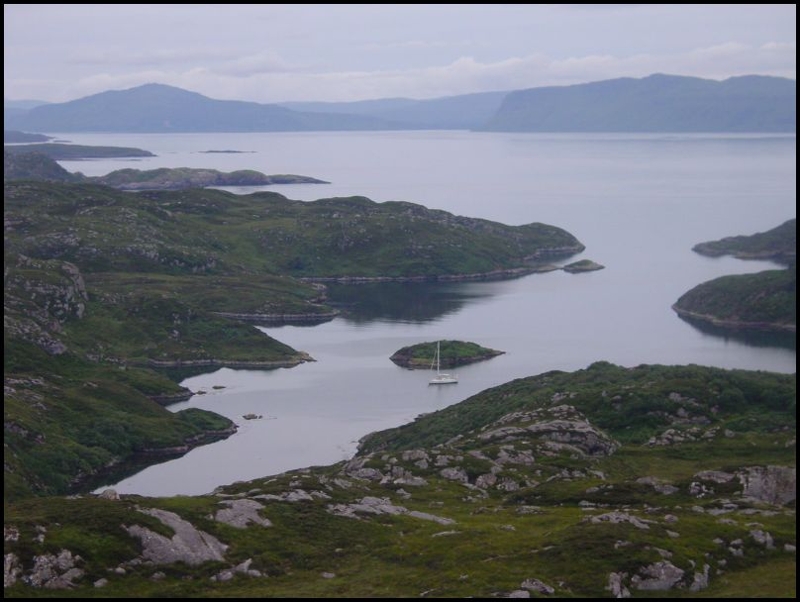
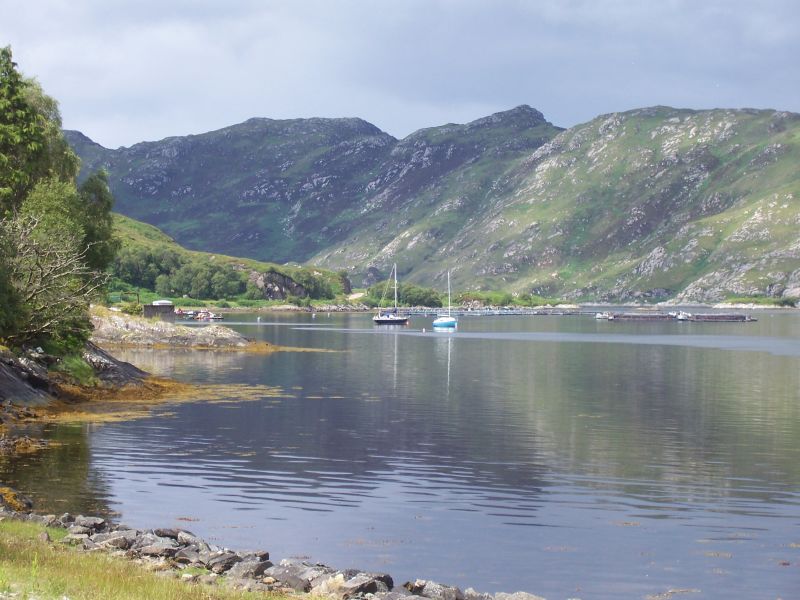
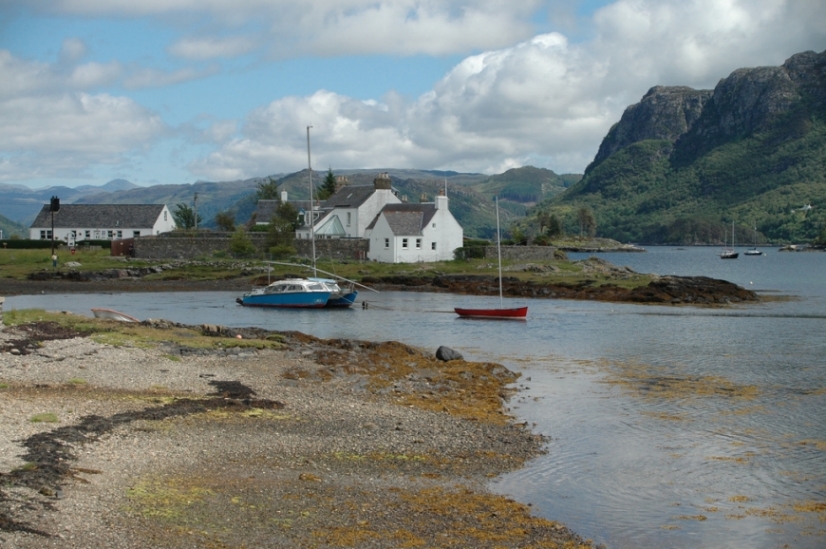
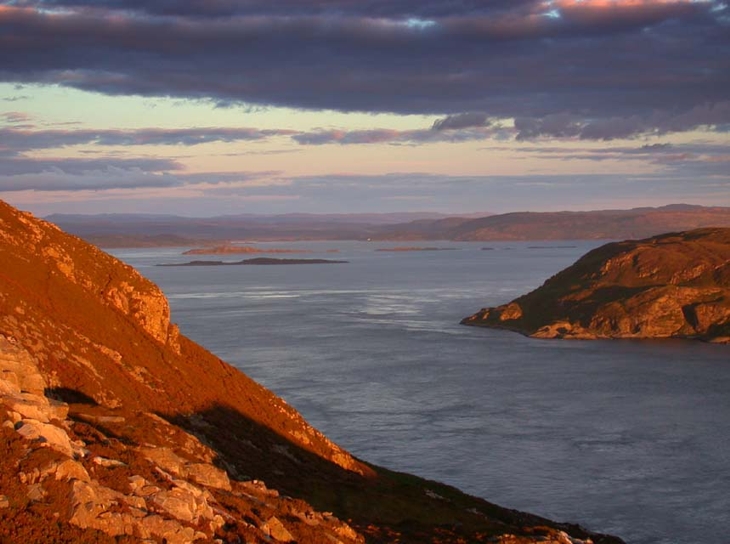
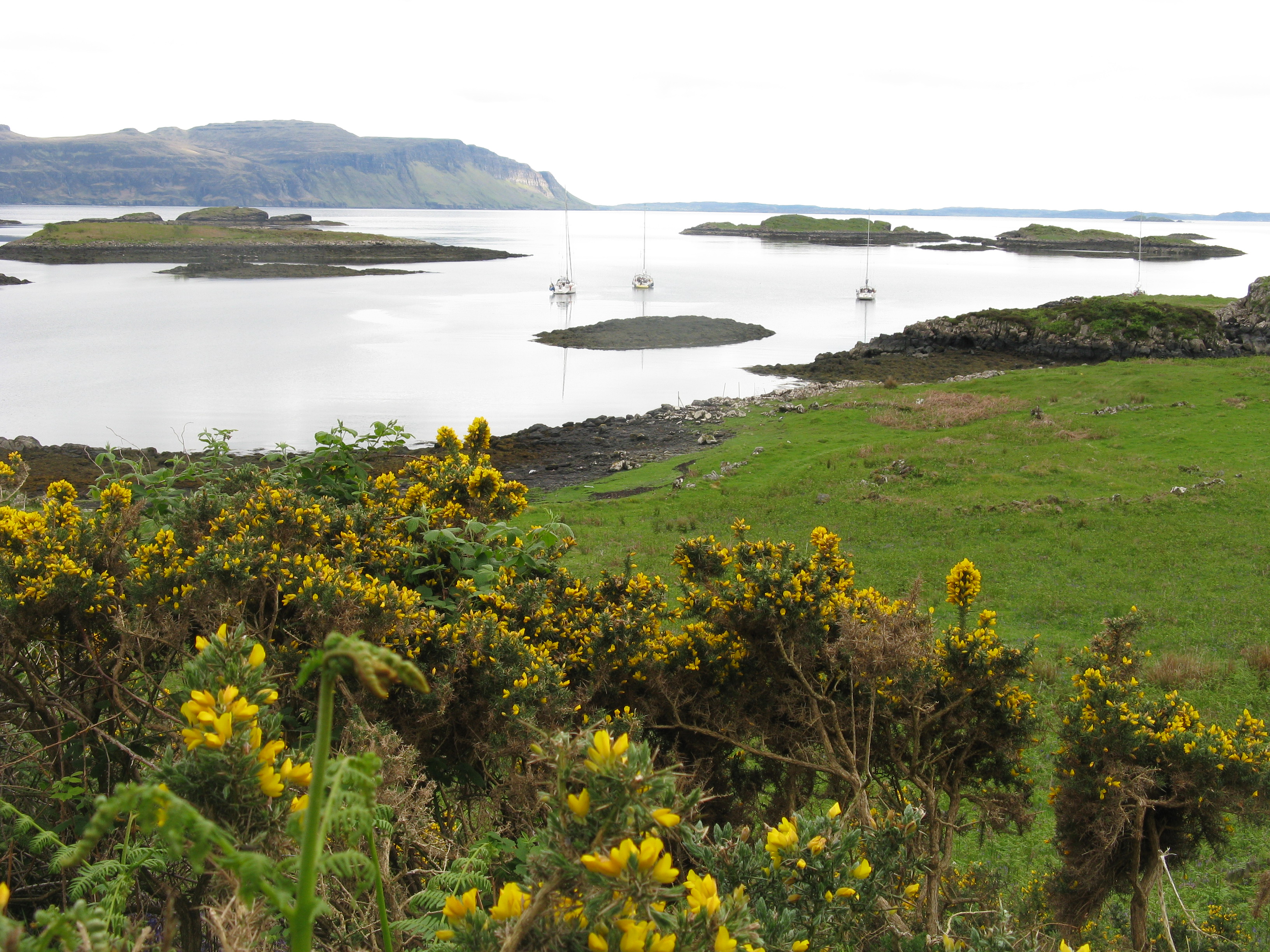
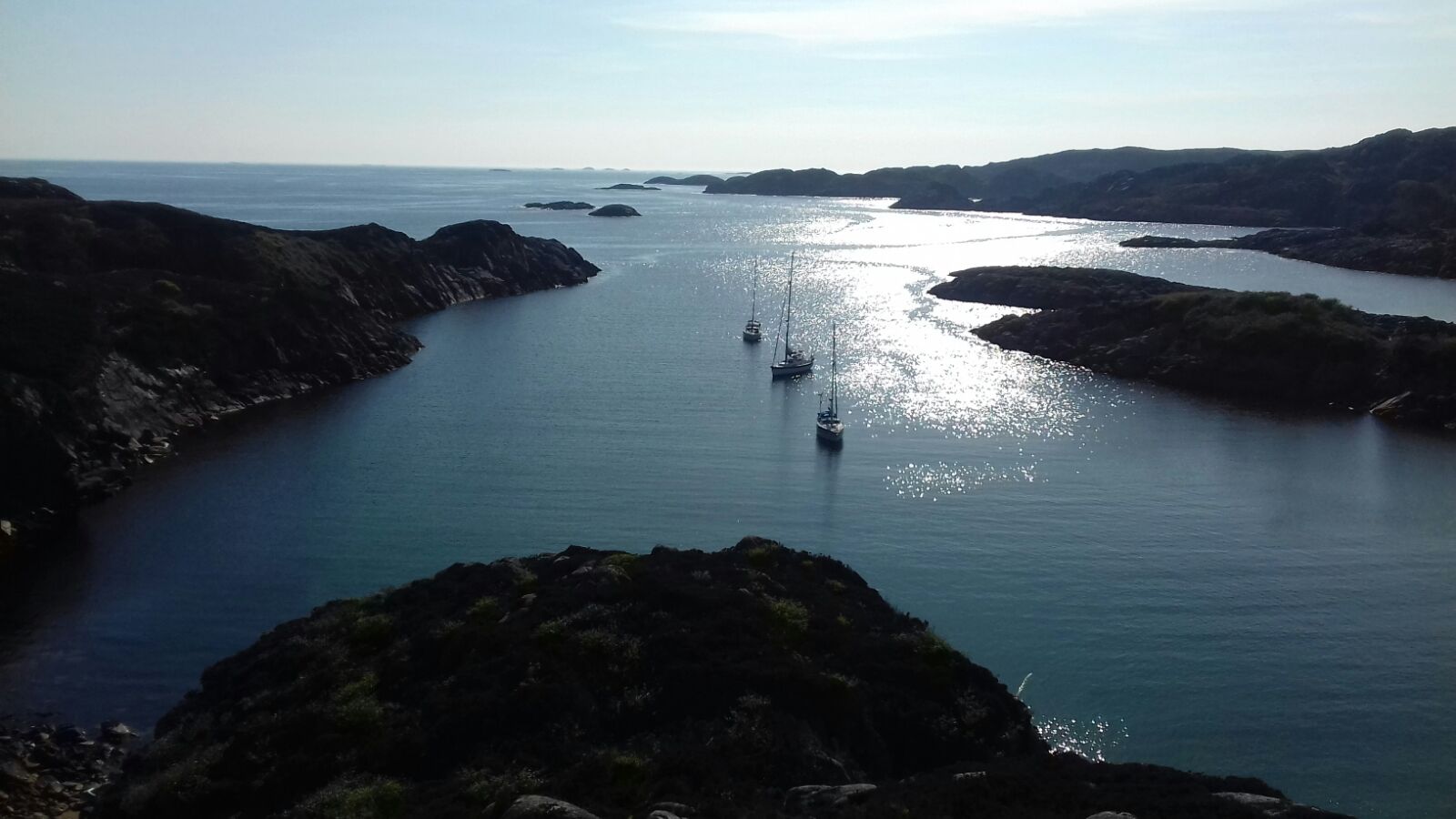
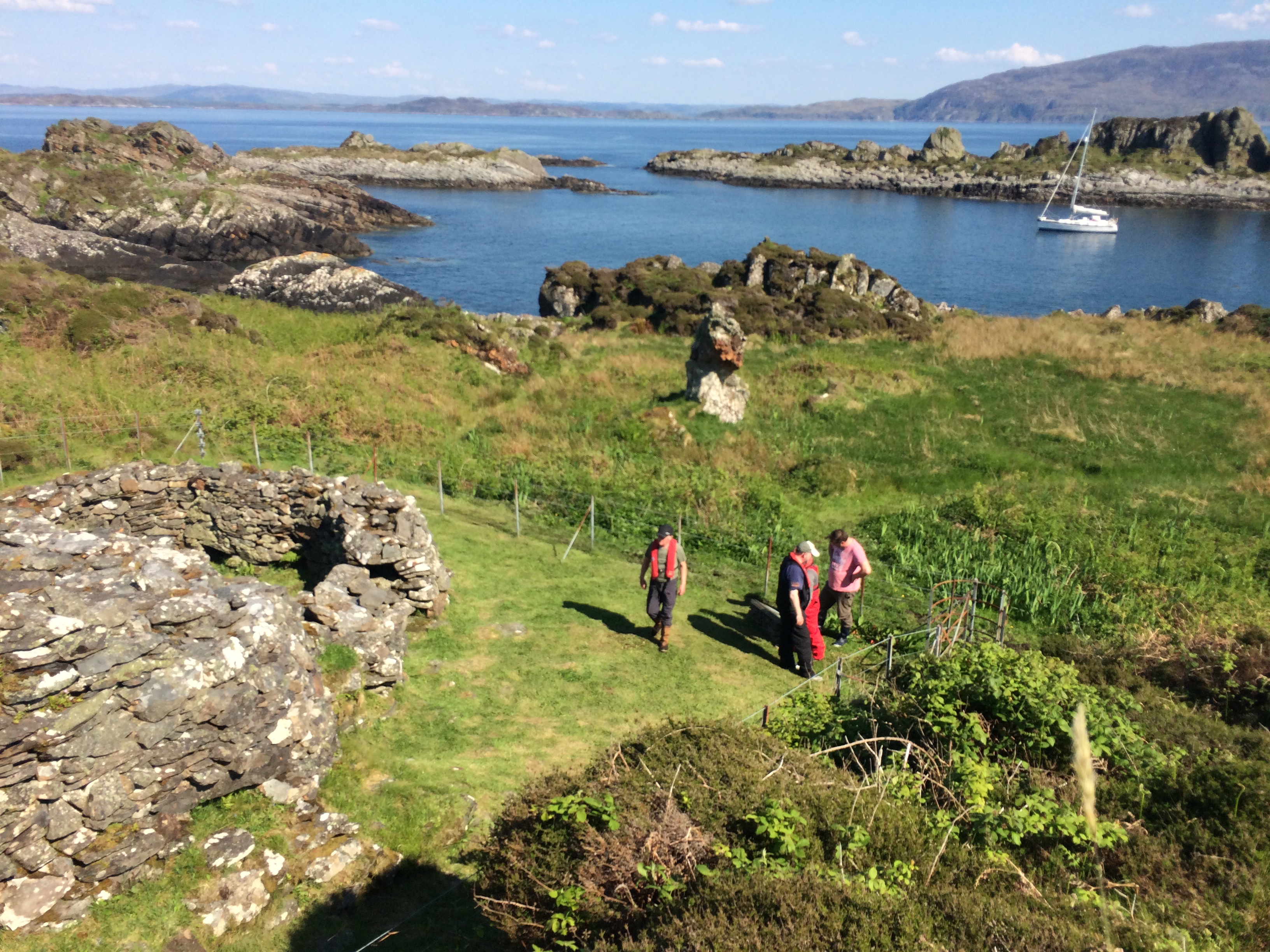
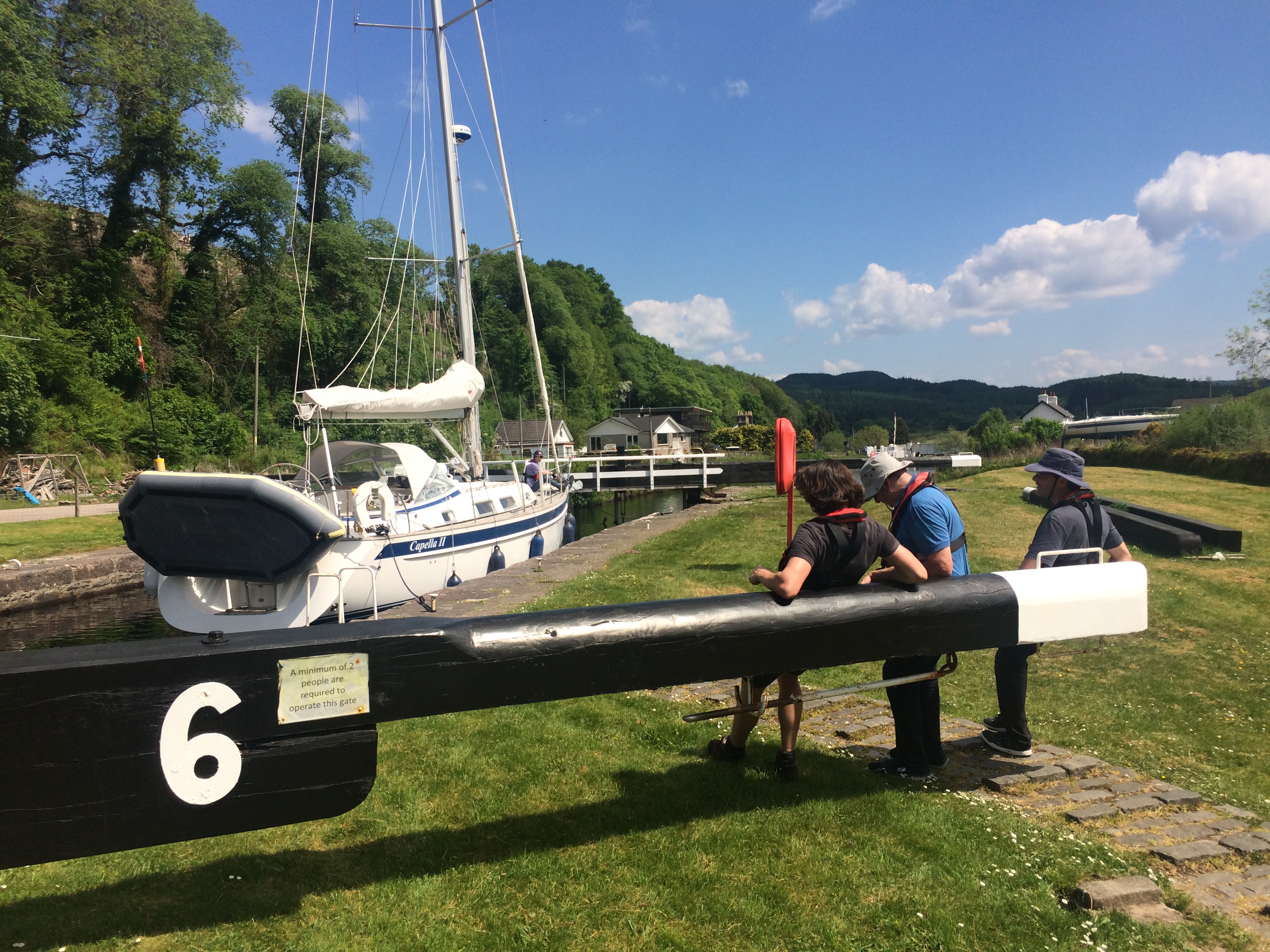
The beautiful and dramatic scenery of the west coast of Scotland offers some of the best sailing in the world. Wildlife abounds, with the chance of seeing eagles, dolphins, otters, basking sharks and whales. Although there is plenty of sheltered sailing to be had, there are also more exposed passages and stronger tides for those looking for greater challenges.
|
Move mouse over images to see captions ~ left click on image to enlarge (use 'Back' to return)
2018 Photo Gallery
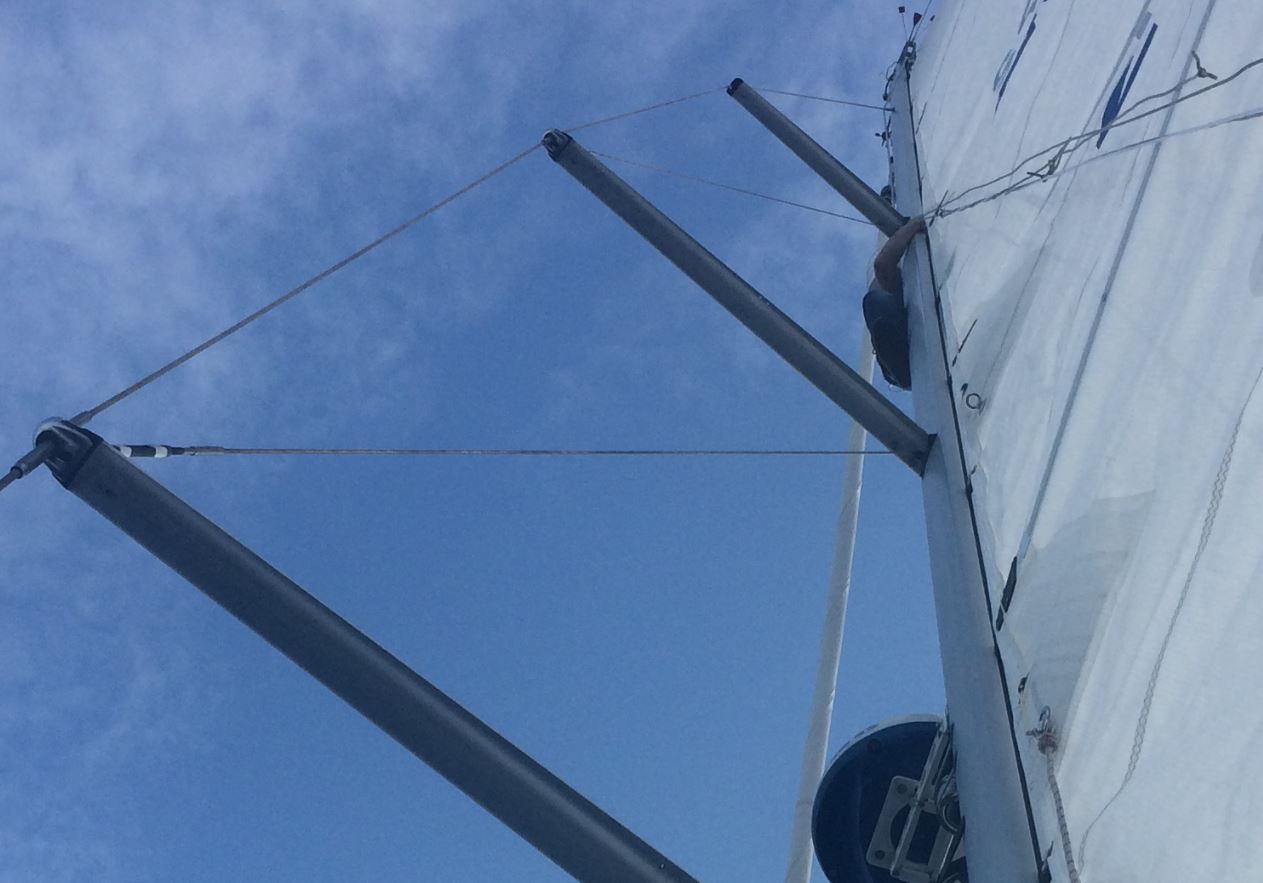
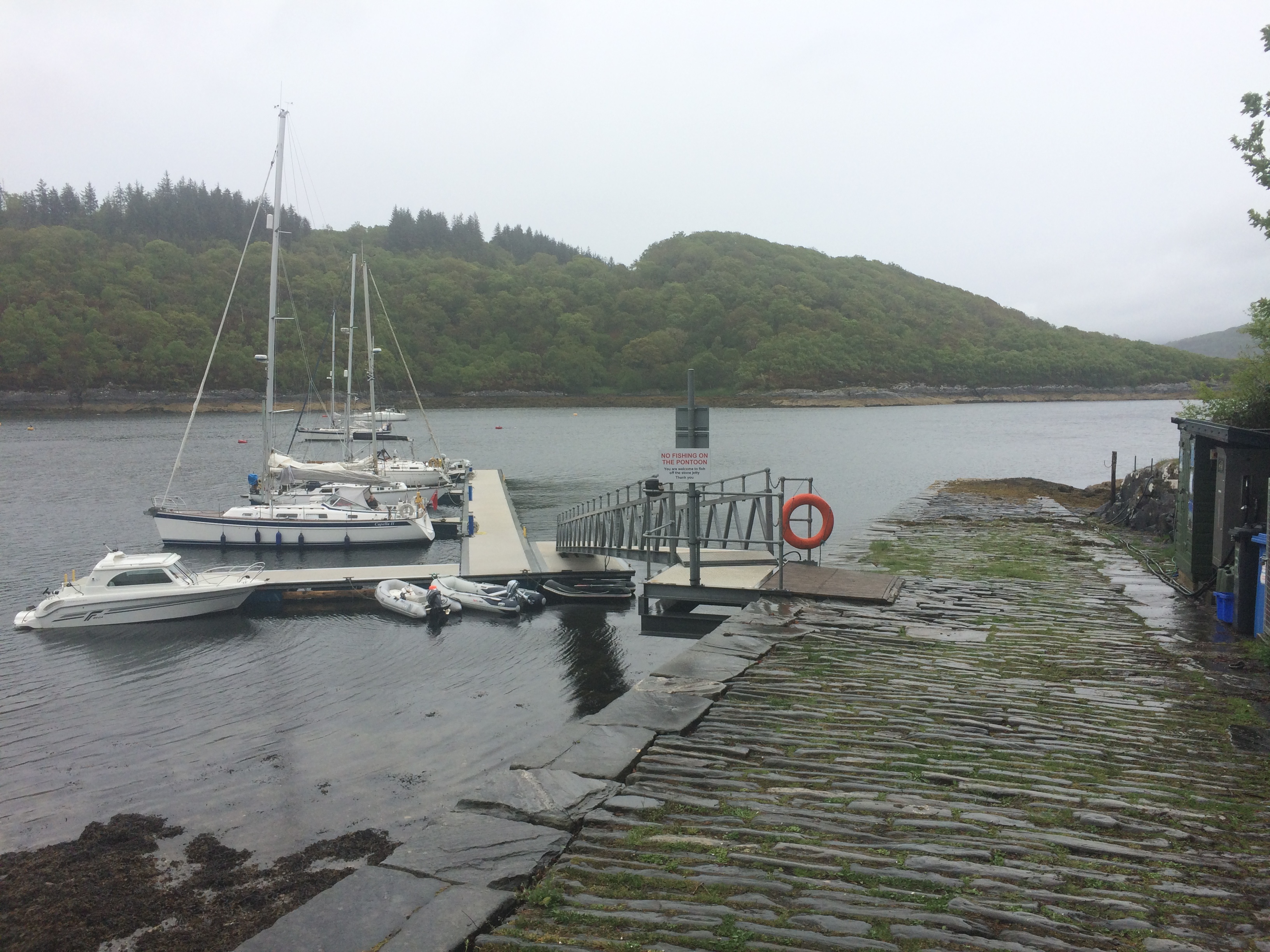
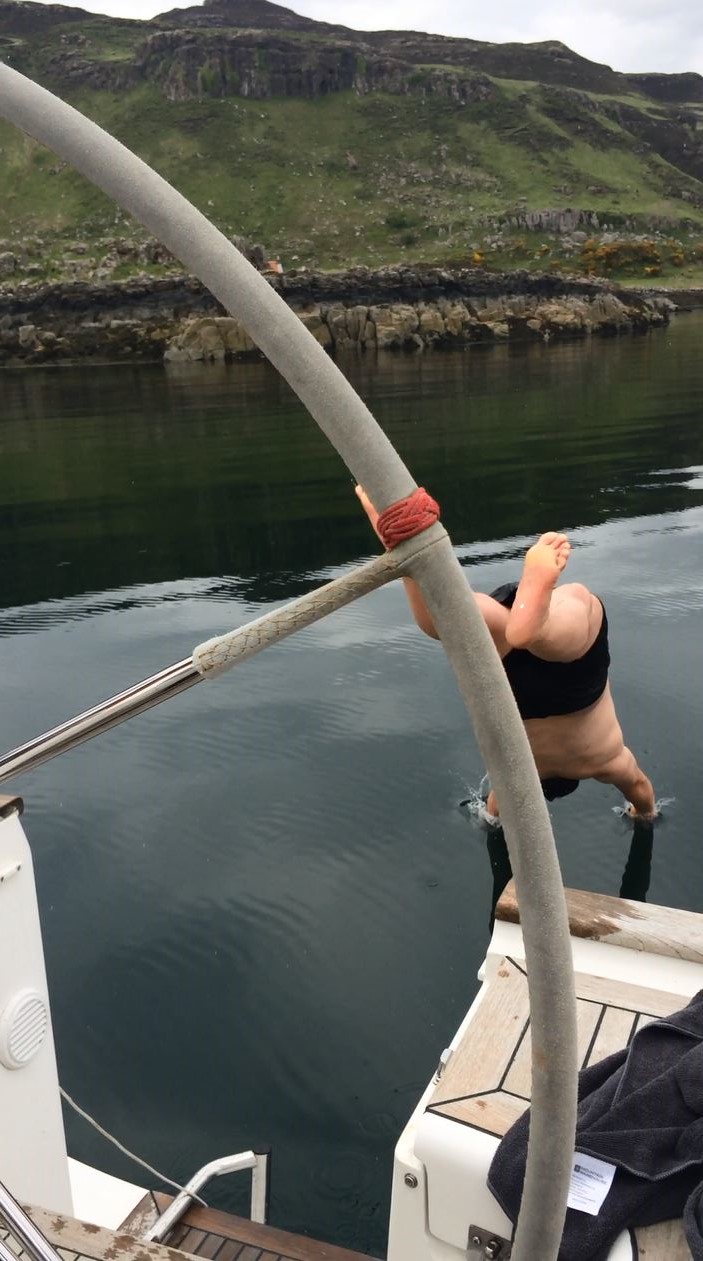
Some photos from the 2018 season, using the new boat - a Hallberg-Rassy 372. Thanks to Terry Hawkins and Kevin Martin, for some of the photos. All photos © 2018
|
Move mouse over images to see captions ~ left click on image to enlarge (use 'Back' to return)
Click here for more photo galleries from other years
Links